Summary
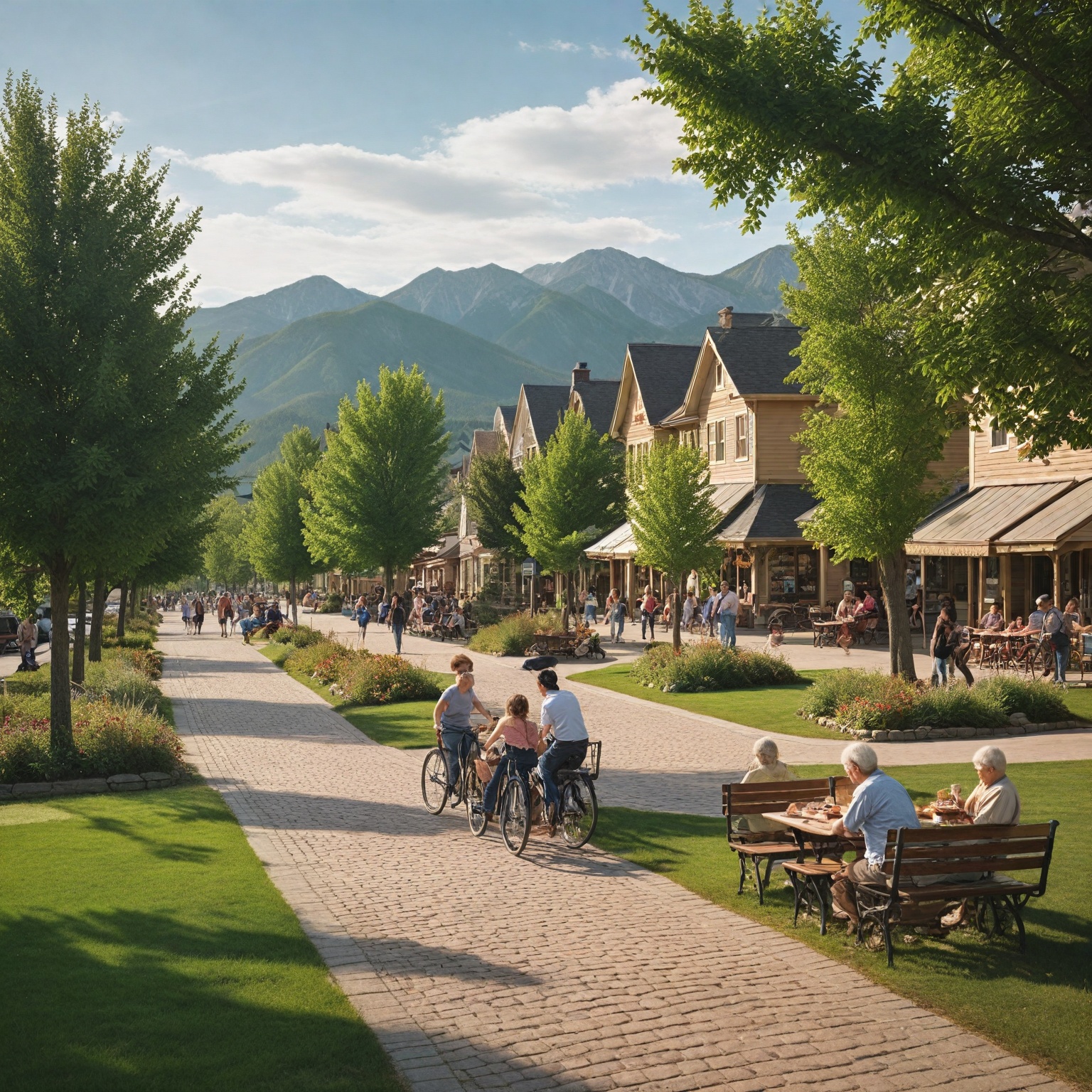
Alberta’s charming small towns offer an appealing combination of natural beauty, affordability, and close-knit community life, making them ideal destinations for families and retirees seeking a balanced lifestyle. Nestled amid scenic landscapes that range from northern forests to mountain parks, these towns provide ample opportunities for outdoor recreation, including hiking, fishing, and golfing, which cater to active residents of all ages. The region’s unique land organization, rooted in the Dominion Land Survey, shapes orderly and accessible communities that blend heritage preservation with modern amenities.
These towns stand out for their family- and retiree-friendly environments, featuring safe neighborhoods, quality healthcare services, and a variety of cultural and recreational facilities. Places such as Cochrane, Claresholm, and Nanton exemplify this appeal through progressive retirement communities, historic preservation efforts, and vibrant local events that foster social connection and community pride. Many towns balance small-town charm with convenient access to urban centers, providing residents with both tranquility and essential services.
Heritage conservation plays a significant role in maintaining the distinctive identities of Alberta’s small towns, supported by provincial programs that protect historic sites and cultural resources. At the same time, these communities face challenges related to sustainable urban planning, environmental management, and evolving demographic needs, which require careful coordination among residents, planners, and government agencies.
Overall, Alberta’s small towns offer a unique and notable living experience for families and retirees by combining affordability, scenic surroundings, community spirit, and cultural richness. This blend continues to attract those seeking a slower pace of life without sacrificing access to essential services and quality of life.
Overview of Small Towns in Alberta
Alberta’s small towns offer a unique blend of natural beauty, affordability, and a strong sense of community, making them ideal places for families and retirees alike. These towns provide a variety of lifestyles, whether one is seeking more space, lower living costs, or a closer connection with nature. Many of these communities are well-suited for those starting out, slowing down, or beginning anew, with opportunities to explore current real estate listings reflecting their appeal.
The region’s rural landscape is characterized by a distinctive layout established through the Dominion Land Survey, which organized the land into townships with square sections each measuring one mile by one mile (2.6 sq km). This systematic division contributes to the orderly distribution of small towns across Alberta, often surrounded by vast northern forests and mountain national parks that support small permanent populations alongside seasonal visitors.
These towns are not only appreciated for their scenic settings but also for their vibrant community spirit and amenities that support outdoor activities, safety, and a quieter lifestyle. For outdoor enthusiasts and families looking for a safe and fulfilling environment, Alberta’s small towns offer an excellent balance of recreational opportunities and community cohesion.
Criteria for Family- and Retiree-Friendliness
When evaluating charming small towns in Alberta for families and retirees, several key criteria emerge that contribute to their appeal and livability. These criteria encompass natural surroundings, community atmosphere, available amenities, healthcare access, and recreational opportunities, all of which support a high quality of life for residents of all ages.
Natural Beauty and Outdoor Recreation
A defining feature of desirable small towns in Alberta is their proximity to natural beauty and abundant outdoor activities. Towns like Cochrane and Rocky Mountain House offer scenic landscapes such as lakeshores, rivers, and mountain views that encourage an active lifestyle. Outdoor amenities including hiking trails, fishing spots, boating, golf courses, and parks provide both families and seniors with opportunities to engage in healthy, fulfilling pastimes year-round. The ability to enjoy lakeside living and nature-oriented leisure activities is especially valued by retirees seeking relaxation and engagement with the environment.
Small-Town Charm with Urban Conveniences
While maintaining a relaxed, close-knit community atmosphere, these towns often provide urban conveniences that enhance daily living. Access to shopping centers, restaurants, cultural activities, and essential services like healthcare and education is crucial. For example, Cochrane combines small-town charm with healthcare facilities and cultural amenities, allowing seniors and families to enjoy both tranquility and convenience without sacrificing quality services. Similarly, St. Albert offers peaceful living close to major urban centers, balancing quiet residential life with proximity to city attractions.
Strong Community and Quality of Life
A supportive and progressive community is another important criterion. Towns like Claresholm feature innovative retirement villages and active adult lifestyle communities that cater to older residents while fostering social connections. The presence of family-friendly amenities such as playgrounds, museums, community centers, and events also strengthens the appeal for families, contributing to a vibrant and inclusive community life.
Healthcare and Support Services
For retirees, access to quality healthcare and assisted living options is a vital consideration. Senior living facilities that offer a blend of independence and care are increasingly popular, providing residents with the “best of both worlds”—comfort and support within a community setting. Proximity to healthcare services and specialized care enhances the overall attractiveness of towns for older adults planning for their retirement years.
Heritage and Cultural Preservation
Many Alberta towns prioritize the preservation of their historic sites and cultural heritage, which enriches community identity and offers educational opportunities for all ages. Programs like the Alberta Main Street Program and Heritage Survey Program help protect historic buildings and resources, contributing to the towns’ charm and fostering a sense of pride among residents. Museums, historic churches, and heritage settlements provide families and retirees with engaging cultural experiences that deepen their connection to the region’s history.
Climate and Seasonal Variations
The climate in charming small towns across Alberta is marked by distinct seasonal patterns that influence daily life and recreational opportunities. Seasonal rainfall varies significantly, with some areas experiencing extreme wet spells or drought conditions. Snowfall amounts also fluctuate, ranging from average seasonal totals to heavy snow years, which impact both transportation and outdoor activities. Additionally, measures such as growing degree days or corn heat units help characterize the local climate’s suitability for agriculture and gardening. Comparing recent climate conditions to long-term averages provides valuable insight for residents and planners alike, especially in managing agro-climate risks and preparing for changing weather patterns.
Towns situated by lakes, such as Sylvan Lake, benefit from milder conditions during the warmer months, becoming hubs of outdoor activity. These areas offer a variety of seasonal recreational pursuits including fishing, boating, golfing, and lakeside walking, all of which are enhanced by the town’s scenic beauty. Such environments are particularly appealing to retirees seeking an active and healthy lifestyle supported by favorable weather conditions throughout much of the year.
Land Use and Urban Planning
Land use and urban planning in Alberta’s small towns reflect a blend of traditional settlement patterns and modern considerations for livability and heritage conservation. Many towns are characterized by grid street plans with rectangular blocks, a layout rooted in the Dominion Land Survey system which established one-mile-square sections across much of the rural landscape. This grid pattern often adapts to local geographic features such as river frontages or railways, contributing to the unique character of each community.
The nucleus or “downtown” area typically functions as the hub of retail, offices, and cultural activities, with higher land values and building densities. This central zone often coincides with the convergence of mass transit systems and serves as the focal point for community interaction, following urban models developed to explain growth patterns in North American cities since the 1920s. Despite their growth, many Alberta small towns maintain a suburban or small-town character with low-density housing, generous yard spaces, and an emphasis on family-friendly environments.
Urban planning also takes into account environmental and aesthetic considerations. For instance, natural attractions such as the badlands, river valleys, and forested areas influence development patterns and recreational spaces. In towns like Drumheller and Peace River, the setting provides significant cultural and natural value that shapes urban form beyond the buildings themselves. Additionally, the presence of heritage landmarks, such as prairie grain elevators in Nanton, is integrated into planning to preserve the historical identity of the towns.
Sustainability concerns are increasingly important in land use decisions. Large expanses of paved surfaces common in urban cores can increase heat retention and reduce cooling effects, while sparse vegetation and increased runoff pose challenges to environmental quality. Therefore, planning often includes green spaces and conservation areas, such as the University of Alberta Botanic Garden and Bunchberry Meadows Conservation Area, which serve recreational and ecological functions.
Heritage conservation forms a vital component of urban planning in Alberta’s small towns. Designated historic sites are managed according to the Standards and Guidelines for the Conservation of Historic Places in Canada, ensuring that development respects the cultural significance of these resources. Property owners can access programs and funding to assist in the rehabilitation and maintenance of heritage buildings, often requiring assessments before new development to minimize impact on historic resources. This approach balances growth with the preservation of the towns’ distinctive identities, making them appealing for families, retirees, and visitors alike.
Notable Charming Small Towns
Alberta is home to numerous small towns that offer a unique blend of charm, history, and opportunity, making them ideal for families, retirees, and those seeking a slower pace of life without sacrificing essential amenities. Among these, several towns stand out for their distinctive features and community appeal.
Hinton
Located as a gateway to Alberta’s Northern Rockies, Hinton offers abundant natural beauty with countryside trails, waterways, and wild landscapes perfect for outdoor activities such as biking, horseback riding, hiking, rafting, and skiing. The town maintains a relaxed and family-friendly atmosphere with a low-key commercial tourism sector. Accommodation options include family-friendly hotels like Holiday Inn Express & Suites, The Kanata Hinton Hotel, and Ramada by Wyndham, which provide amenities such as connecting rooms and kids’ menus. For larger groups or family getaways, vacation homes and spacious houses with full kitchens and entertainment facilities are also available nearby.
Nanton
Nanton is a tiny town located just 57 miles south of Calgary, known for its authentic downtown area with beautiful historic buildings and vintage-style street facades. It was named after Sir Augustus Meredith Nanton of Winnipeg and is recognized as Alberta’s first “Provincial Historic Area” since 1982, following efforts to preserve its sandstone and brick architecture dating back to the late 19th century. Nanton attracts visitors and residents alike with unique attractions such as the Bomber Command Museum of Canada, the Canadian Grain Elevator Discovery Centre, and the Museum of Miniatures. The nearby Porcupine Hills provide a scenic backdrop ideal for camping, hiking, and exploring the outdoors.
Stettler
Stettler embodies the classic prairie-town feel with a variety of recreational and cultural activities. The town is home to the Alberta Prairie Railway, which offers scenic countryside trips complete with staged robberies and BBQ lunches. Its downtown area features shops, bakeries, and hosts local events, while community sports are well supported with rinks, ball diamonds, and recreation centers available for residents and visitors.
Claresholm
Claresholm is noted as one of Alberta’s best-kept secrets, particularly appealing for retirees due to its progressive-minded retirement communities and peaceful environment. With a population of around 3,780, it offers a quiet lifestyle close to urban amenities, making it an excellent option for those seeking retirement living in a small-town setting.
Other Noteworthy Towns
Additional small towns such as Fort Macleod, Cochrane, and Banff also provide strong community bonds, rich histories, and ample recreational opportunities suited to both families and seniors. Fort Macleod offers affordable homes with heritage touches and a slower pace of life ideal for history enthusiasts and retirees. Cochrane is appreciated for its small-town charm combined with access to shopping, healthcare, and cultural activities, alongside outdoor pursuits like hiking and golfing that attract seniors. Banff, nestled within Banff National Park, provides spectacular natural scenery, vibrant nightlife, and cultural diversity, making it both a tourist destination and a desirable residential town.
Together, these towns exemplify the diverse appeal of Alberta’s small communities, offering residents the benefits of nature, history, and strong community ties while maintaining access to modern amenities and services.
Heritage and Cultural Identity
Alberta’s small towns are rich in heritage and cultural identity, reflecting a deep commitment to preserving their historical character and cultural resources. Heritage conservation in Alberta involves safeguarding the defining elements of cultural resources to maintain their heritage value and extend their physical lifespan. This process is supported at multiple levels of government, including federal, provincial, and municipal authorities, which can grant special designation to historic objects and sites within the province. Property owners of designated historic resources are often eligible for assistance with conservation and rehabilitation efforts, supported by various programs and funding opportunities available in Alberta.
The province’s cultural landscape is shaped by its early history of exploration and settlement. Notable explorers such as Peter Fidler, David Thompson, Peter Pond, Alexander MacKenzie, and George Simpson played key roles in the early European presence in Alberta. The establishment of the first European settlements, including Fort Chipewyan and Fort Vermilion in 1788, marks significant historical milestones for the region. Local histories serve as vital records for family history research and provide valuable insights into the founding of churches, schools, businesses, and communities across Alberta’s small towns.
Religious affiliations also contribute to the cultural fabric of Alberta’s communities. Roman Catholics represent the largest Christian group, followed by various Protestant denominations. The province is also home to significant populations of Orthodox Christians, Latter Day Saints, Jehovah’s Witnesses, Mennonites, Hutterites, and other Christian traditions, reflecting a diverse religious heritage. Notably, certain towns such as Lacombe host specific religious communities and institutions, including a significant Seventh-day Adventist presence centered around the Canadian University College.
Together, these elements of heritage and cultural identity enrich the charm and appeal of Alberta’s small towns, offering residents and visitors alike a strong sense of history, community, and continuity.
Economic and Social Life
Alberta’s small towns offer a distinctive blend of economic opportunity and social vibrancy that appeals to a diverse population, including families, retirees, first-time homebuyers, and remote workers. The province has experienced significant interprovincial migration over the past fifty years, driven largely by the oil industry, which has shaped both the economy and demographics of these communities. While economic downturns can affect population stability, many small towns continue to thrive by balancing affordability with quality of life.
Economically, these towns benefit from a cost-effective lifestyle without sacrificing essential services, making them attractive alternatives to larger urban centers like Calgary and Edmonton. The presence of industries such as oil, tourism, and local commerce provides employment opportunities, while also supporting a slower-paced life that emphasizes community connections. This economic balance enables residents to enjoy a stable income alongside the benefits of lower living costs.
Socially, Alberta’s small towns are rich in cultural and recreational amenities that foster community engagement and promote well-being. Many towns feature historical sites, museums, and outdoor attractions that celebrate local heritage and natural beauty. Facilities such as parks, golf courses, spray parks for children, curling rinks, and botanical gardens create spaces for family activities and social interaction. The availability of these amenities contributes to a strong sense of belonging and community identity, which is particularly appealing to retirees and those seeking a fresh start away from the urban hustle.
Housing and Cost of Living
Many small towns in Alberta provide affordable housing options that cater to a variety of lifestyles, making them ideal for families, first-time buyers, and retirees alike. These communities often feature generous yard spaces and well-maintained homes that contribute to a comfortable and welcoming environment. Housing affordability in these towns is notably better compared to larger urban centers, allowing residents to enjoy more space and lower overall living costs while maintaining access to essential
Transportation and Accessibility
Transportation and accessibility play a significant role in the appeal of Alberta’s charming small towns for both families and retirees. Many of these communities benefit from proximity to larger urban centers while maintaining a relaxed, small-town atmosphere. For example, Cochrane is located only 30 minutes from Calgary, making it an ideal location for commuters who seek the convenience of city access alongside a more peaceful residential environment.
Public transit options, while limited within smaller towns themselves, often include shuttle bus services connecting residents to popular destinations such as Banff, Drumheller, and Hinton. These shuttle services enhance accessibility for both residents and visitors, enabling exploration of Alberta’s natural and cultural attractions without the need for personal vehicles.
Urban planning in these towns typically follows a grid street pattern, facilitating easy navigation and connectivity within the community. This layout supports walkability, which is especially beneficial for seniors and families who prefer to access local shops, parks, and services on foot. Moreover, small towns coordinate closely with provincial and regional authorities to maintain and improve infrastructure such as roads, water services, and waste collection, ensuring reliable municipal services that support daily life and mobility.
The combination of accessible transportation links, manageable street layouts, and coordination with larger urban centers underscores the blend of small-town charm with urban convenience that defines many of Alberta’s ideal communities for families and retirees.
Challenges and Considerations
Preserving the heritage and cultural identity of charming small towns in Alberta involves several challenges and considerations. One significant aspect is ensuring that conservation efforts comply with established guidelines, such as the Standards and Guidelines for the Conservation of Historic Places in Canada. Projects aimed at heritage preservation must be thoroughly documented with invoices, receipts, and statements of donated labor, materials, and services, and are subject to inspection by Heritage Conservation Advisers to ensure compliance.
Another important consideration is the requirement for assessments before development activities begin, particularly if these projects may impact Alberta’s historic resources. Owners of designated historic properties often need support for conservation and rehabilitation efforts, which can involve navigating various programs and funding opportunities designed to assist with these processes.
Project proponents seeking heritage preservation grants must demonstrate a solid approach and strategy, including the ability to preserve, interpret, and promote appreciation of Alberta’s heritage. The experience and qualifications of these proponents are critical factors in funding decisions, which are typically communicated in May or June. Successful applicants receive full funding upon project initiation.
In addition to heritage conservation, long-term planning in these towns must also consider environmental and climatic factors. Access to up-to-date weather forecasts, climate data, and agricultural risk management tools provided by agencies such as Agriculture and Agri-Food Canada helps residents and planners adapt to changing conditions throughout the growing season, which is essential for sustaining local economies and lifestyles.
The content is provided by Harper Eastwood, Brick By Brick News