Summary
Transforming outdoor spaces through high-value upgrades can significantly enhance your home’s aesthetic appeal and property value. Homeowners increasingly seek to extend their living environments outside, with features like patios, decks, and functional areas becoming highly desirable. This article outlines popular investments such as covered patios, fire pits, and outdoor kitchens, while emphasizing material choice, climate, and cohesive design. Planning and budgeting accurately for these upgrades, as well as considering maintenance and sustainability, can lead to informed decisions that balance personal preferences and financial viability.
Benefits of Outdoor Space Upgrades
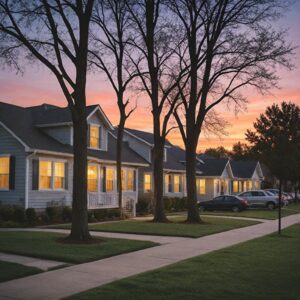
Upgrading your outdoor spaces provides notable aesthetic and financial benefits. A well-designed exterior enhances curb appeal, offering potential buyers a positive first impression, which is critical for market value. Functional upgrades, such as covered patios, expand usable living areas without the expense of interior renovations, catering to buyers who value outdoor socializing.
Investments in landscaping also transform outdoor environments significantly. Professional landscaping and maintenance can enhance visual appeal, potentially increasing resale value by 15% to 20%. Choosing durable materials for patios and exteriors not only ensures longevity but also reduces upkeep, maximizing your investment. Moreover, updates like new siding improve both aesthetics and energy efficiency, which can be attractive during resale.
Popular High-Value Outdoor Upgrades
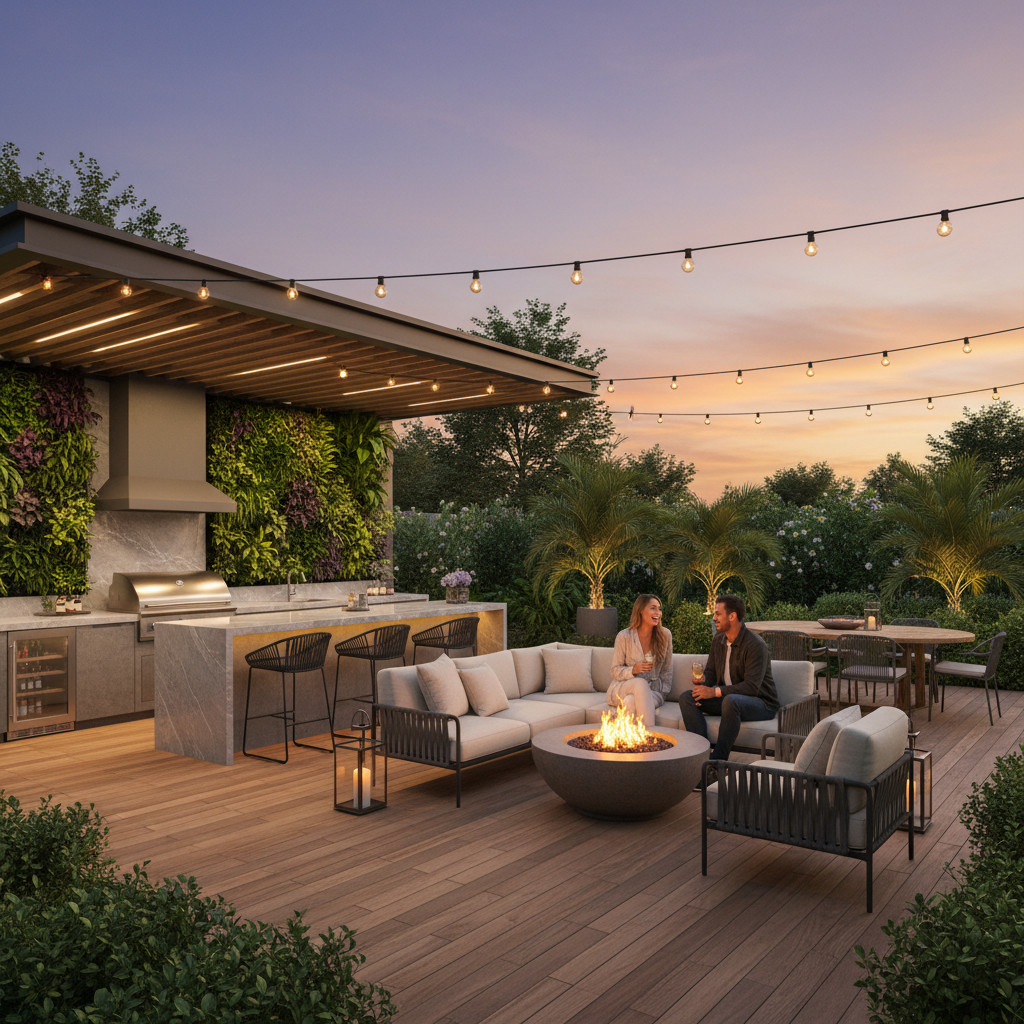
Investing in outdoor improvements can enhance your home’s enjoyment and marketability, with several features currently trending for high return on investment. Outdoor living spaces, characterized by covered patios and decks, effectively expand functional square footage while enriching the aesthetic experience. Material selection is crucial, impacting durability, maintenance, and overall appeal of these installations.
Fire pits and outdoor kitchens are especially attractive to buyers, providing cozy and functional entertaining spaces that elevate the appeal of any backyard. Moreover, flex spaces that incorporate built-in features enhance versatility, ensuring outdoor environments adapt to changing homeowner needs. Upgrading exterior doors also offers high returns, combining security with energy efficiency.
Planning and Budgeting for Outdoor Upgrades
A successful outdoor upgrade begins with a comprehensive evaluation of your space and desired outcomes. Understanding your needs while considering environmental conditions is vital for cohesive design. Set a budget that accounts for project scale, material choices, and local building codes, with price ranges varying widely for popular features like outdoor kitchens and decks.
Smaller enhancements and landscaping maintenance offer budget-friendly options while delivering aesthetic benefits. Engaging with professionals for complex tasks ensures optimal results, especially for specialized maintenance. Local real estate professionals can provide insights into which upgrades yield the best ROI while available incentives for energy-efficient improvements could enhance affordability.
Impact on Home Marketability and Buyer Interest
Well-executed outdoor improvements significantly enhance a home’s market appeal. Curb appeal is key, as inviting outdoor spaces attract potential buyers and increase resale value. Features like fire pits and patios cater to current buyer preferences for functional, social outdoor areas, setting properties apart in competitive markets.
As demographic shifts affect buyer priorities, integrating features that resonate with diverse audiences, such as easy maintenance and comfort, can maximize appeal. It’s essential to focus on practical upgrades that bolster value without excessive luxury features that may not provide returns.
Maintenance and Longevity of Outdoor Improvements
Proper maintenance of outdoor enhancements is crucial for preserving their value and functionality. Homeowners should adopt a blend of DIY care and professional services to maintain their outdoor spaces effectively. Regular tasks like container gardening are manageable independently, while more complex issues are best handled by experts to prevent damage.
Weather conditions influence the lifespan of outdoor features, necessitating a proactive maintenance strategy. Implementing protective measures like waterproof covers and insulating materials helps safeguard outdoor kitchens and other installations. Using fire-resistant materials also enhances safety and longevity in light of climate change, while thoughtful lighting and regular upkeep can create inviting outdoor spaces all year round.
Environmental and Sustainability Considerations
Sustainable landscaping is increasingly prioritized by homeowners looking to balance beauty with ecological responsibility. Native plants and drought-resistant landscaping reduce water consumption while supporting local ecosystems, fostering low-maintenance outdoor areas. Eco-friendly features and durable materials also play significant roles in creating resilient and sustainable outdoor environments.
Considering fire resistance as a factor in material selection enhances safety, particularly in vulnerable areas. Additionally, many sustainable renovation projects qualify for government incentives, making eco-friendly improvements more accessible. By integrating these considerations, homeowners can develop attractive outdoor spaces that enhance property value and align with broader ecological goals.