Summary
Create Closer Connections: Homes Perfectly Designed for Friendship explores the role of architectural and interior design in fostering social interaction, friendship, and community cohesion within residential environments. As the nature of social relationships increasingly intersects with spatial living arrangements, this topic highlights how thoughtful design elements—such as open floor plans, shared communal areas, and transitional spaces—can transform homes into nurturing environments that balance privacy with opportunities for connection. By shaping the physical environment, these design strategies support emotional well-being, facilitate meaningful social encounters, and strengthen interpersonal bonds among residents.
The significance of socially responsive home design has grown amid urbanization and changing lifestyle patterns, especially in contexts like co-housing and multi-family dwellings, where maximizing social engagement without sacrificing individual privacy is paramount. Architectural features such as vertically distributed common areas, integration of indoor and outdoor spaces, and culturally sensitive layouts accommodate diverse social practices and foster inclusivity. Moreover, participatory design approaches empower residents to shape their living environments, enhancing their sense of ownership and reinforcing community ties.
This topic also addresses the psychological and social impacts of design, emphasizing how spatial organization, lighting, color, and material choices influence mood, mental health, and social capital within households and neighborhoods. Urban planning and neighborhood strategies complement architectural design by creating accessible public spaces, promoting equitable social participation, and supporting safe, vibrant communities through collective engagement and environmental quality. Together, these approaches illustrate a multidisciplinary effort to create homes and neighborhoods that actively nurture friendship and social resilience.
While the potential of architecture to foster connection is widely recognized, challenges remain in balancing privacy needs, cultural diversity, spatial constraints, and technological integration. Additionally, issues such as gentrification and demographic segregation raise questions about social equity and accessibility in designing socially supportive environments. Future innovations emphasize adaptability, sustainability, and inclusivity, with ongoing research informing best practices for designing residential spaces that sustain well-being and meaningful social bonds in evolving urban contexts.
Background
The design of homes plays a pivotal role in fostering social interaction and building closer connections among residents. Architecture and interior design not only shape the physical environment but also influence emotional well-being, community cohesion, and interpersonal relationships. Thoughtful design elements, such as wood-lined hallways, garden views, and informal waiting areas, can transform transitional spaces from sources of discomfort into welcoming areas that promote ease and comfort. Moreover, the use of color is a powerful tool in setting emotional tones within a space; warm colors like reds and yellows can create intimacy, while cooler tones such as blues and greens encourage calmness and relaxation. Beyond aesthetics, materials and colors have direct impacts on mood, mental clarity, and physical health, turning a house into a sanctuary that supports overall well-being.
Social cohesion within neighborhoods is influenced by environmental factors that encourage residents to engage with one another, such as access to parks, recreational facilities, and local centers of worship. Enabling residents to participate in shaping their living spaces further strengthens their connection to both the physical environment and their neighbors, fostering a shared sense of community and belonging. In the broader architectural context, there is growing recognition of architecture’s potential to nurture community building by designing spaces that encourage social interaction. This potential often lies not only in spatial form but also in the programming and activities organized within the building, which act as catalysts for bringing people together. Within homes, open layouts and unobstructed flow between rooms can facilitate communication and collaboration among residents, balancing social interaction with individual privacy. Ultimately, homes serve as intimate expressions of self, reflecting personal identities and creating emotional harmony through design choices that make the space feel like a true sanctuary.
Core Design Principles for Homes That Foster Friendship
Design and architecture play a pivotal role in fostering social interaction and friendship within homes by balancing openness and privacy. One foundational principle is creating an unobstructed flow between rooms, which encourages communication and collaboration among residents while respecting individual privacy needs. Open floor plans, large windows, and shared common areas help blur boundaries between indoor and outdoor spaces, enhancing a sense of connection and community.
Another key design element is the inclusion of communal destination spaces within residential buildings. These indoor areas, unlike public outdoor spaces that are susceptible to weather and noise, provide year-round usability and serve as attractive hubs for social interactions among neighbors. Distributing these common spaces vertically across multiple floors, rather than isolating them on a single level, further promotes frequent encounters and strengthens community bonds. Ground floors, in particular, are strategically important as the initial point of contact for residents and visitors, making them ideal for fostering social engagement.
Transitional or “in-between” spaces such as hallways, lobbies, corridors, and staircases also contribute to the social fabric of a home. When thoughtfully designed, these spaces not only improve circulation but also create opportunities for informal interactions, rest, and contemplation. They act as connectors that facilitate movement while supporting social pauses and encounters.
Culturally sensitive design approaches recognize the diversity in how privacy and social interaction are achieved worldwide, incorporating concepts such as negotiated or part-time spaces that adapt to the needs of different households. In co-living environments especially, innovative design maximizes density without sacrificing functionality, providing shared spaces that make living closer with friends both easy and enjoyable.
Ultimately, homes that foster friendship find the perfect balance between private retreats and communal gathering spaces. This equilibrium allows residents to connect deeply while maintaining their personal boundaries, creating environments where social bonds can thrive naturally and comfortably.
Key Architectural Features Promoting Social Interaction
Architecture plays a critical role in fostering social interaction within homes and communities by creating spaces that encourage connection, support mental well-being, and build social capital. Several architectural features have been identified as effective in promoting social engagement, ranging from shared communal areas to thoughtful transitional spaces.
Shared Communal Spaces
Central to promoting social interaction are shared areas such as kitchens, dining rooms, and courtyards. The kitchen, often considered the heart of the home, serves as a natural gathering spot where family and friends cook, eat, and converse together. Its importance has grown, especially following the COVID-19 pandemic, as these spaces have also adapted to accommodate remote work and study. Community dining areas provide safe, welcoming environments for residents to meet new people and foster friendships through casual meals and conversations.
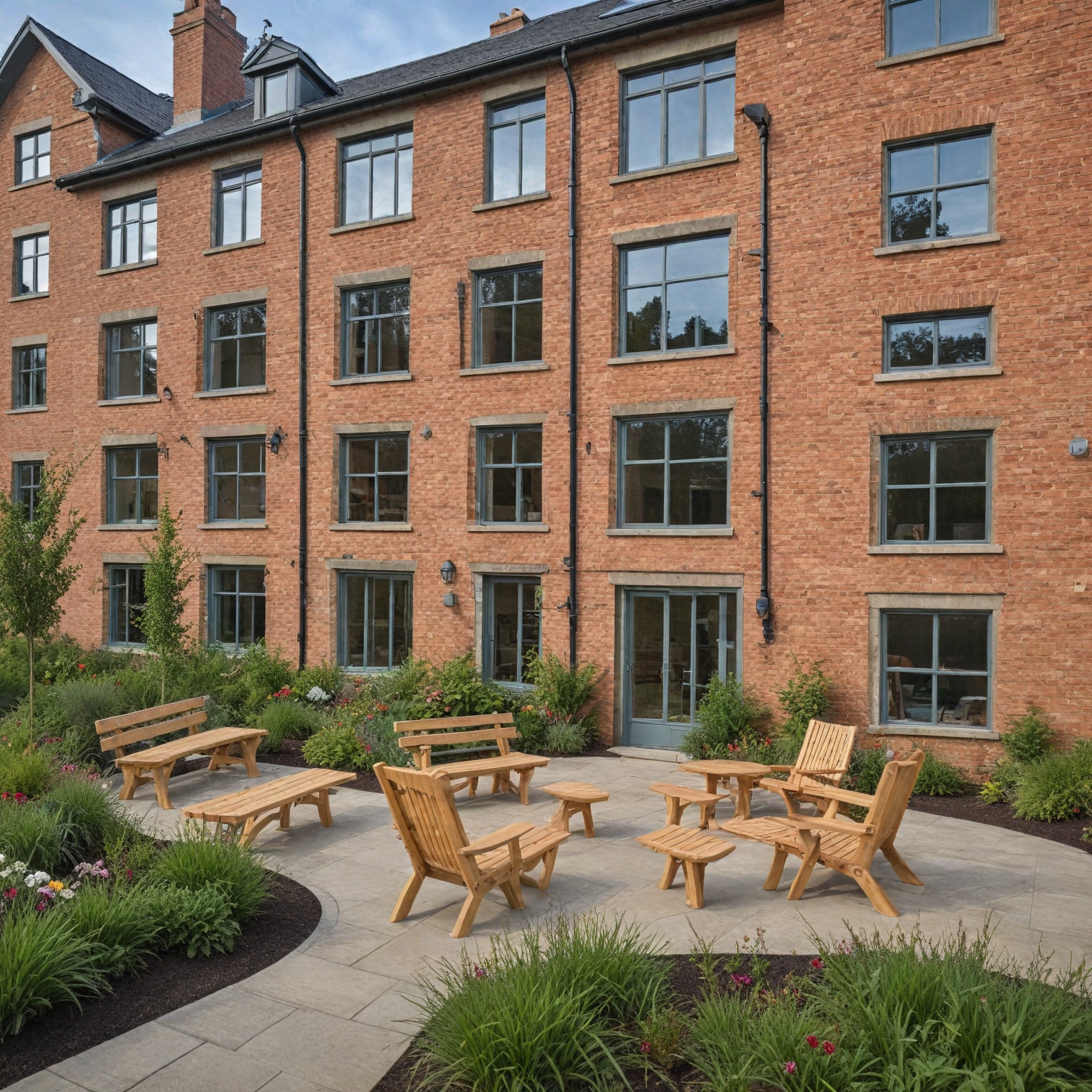
Similarly, central courtyards unify residential buildings by offering flexible meeting areas that invite residents to gather and socialize. Shared functional spaces like laundry rooms and combined kitchen-dining rooms further facilitate interaction during everyday activities. Vertical distribution of common areas across several floors, rather than confining them to a single floor, encourages more frequent and spontaneous social encounters among residents.
Transitional and Semi-Public Spaces
Transitional spaces such as hallways, patios, and verandas serve as important connectors within residential architecture. These areas often feature inviting elements like seating or artwork that encourage lingering and informal interactions. Semi-public zones—spaces that exist between private and fully public areas—are designed with attention to texture, acoustics, and lighting to create environments conducive to conversation and social exchange. Entryways that resemble community patios rather than purely transactional portals exemplify this approach, welcoming residents and visitors alike into shared social experiences.
Integration of Indoor and Outdoor Environments
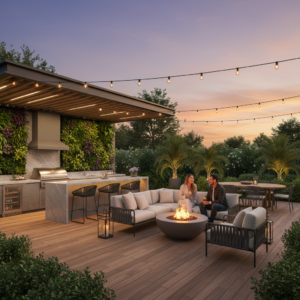
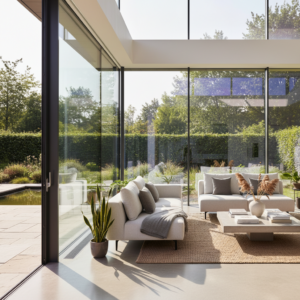
Blurring the boundaries between indoor and outdoor spaces is another architectural strategy that promotes social connection. Open floor plans, large windows, and shared common areas enable a seamless flow that enhances the sense of community within a home. Outdoor amenities such as gardens, walking paths, and exercise areas encourage residents to engage in both passive and active social activities in natural settings, fostering a connection to nature and to each other. Thoughtfully designed patios, terraces, and gardens can be transformed into year-round livable spaces that support a variety of social and solitary pursuits.
Psychological and Practical Benefits of Design
Open layouts and connected spaces not only encourage social interaction but also improve mood, increase natural light penetration, and provide greater flexibility for changing household needs. These designs reduce feelings of confinement and create a more comfortable living environment. Beyond physical aesthetics, a home designed to facilitate connection and provide solace helps anchor residents emotionally and socially, supporting overall well-being.
Psychological and Social Impacts of Design Elements
Design elements within homes play a crucial role in shaping the psychological well-being and social interactions of their occupants. The physical environment influences how people feel, behave, and connect with others, making it essential to consider social and psychological needs when designing living spaces.
From a psychological perspective, home design affects mood and well-being by expressing identity through furniture, textures, colors, and decor. For instance, a well-lit open-plan layout can make a space feel inviting and intimate, fostering social engagement, while softly lit corners provide calm and seclusion, supporting mental restoration. These design choices directly influence the emotions evoked within a home and how occupants experience the space. The optimization of space, lighting, and materials can transform a house into a sanctuary that nurtures mental clarity and physical health.
Socially, the layout and design of a home can either facilitate or hinder interpersonal communication and connection. Effective spatial organization supports nonverbal cues essential for building trust and smooth interaction, which are foundational to meaningful social bonds. Shared activities and mutual enjoyment within these thoughtfully designed environments foster rapport, belonging, and friendship, creating supportive social dynamics that enhance overall well-being. Homes that promote high levels of trust and shared identity among occupants strengthen social capital, which is linked to positive outcomes in mental health, safety, and community cohesion.
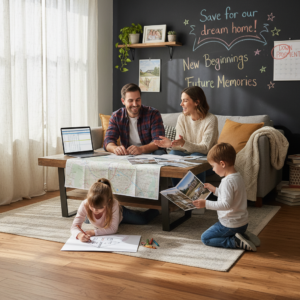
Furthermore, participatory design approaches, which actively involve residents in shaping their living environments, encourage a sense of ownership and community connection. This inclusive process not only tailors the physical space to meet residents’ social and emotional needs but also builds stronger community ties and social cohesion. By integrating these principles, architects and planners can create homes and neighborhoods that foster interpersonal connection, support social participation, and ultimately improve quality of life.
Cultural and Demographic Influences on Socially-Responsive Home Design
Socially-responsive home design is deeply shaped by cultural and demographic factors that influence how individuals interact within their living environments. Diverse cultural practices give rise to various spatial arrangements and types of home settings that reflect specific social norms and behaviors. For instance, housing incorporates a range of spaces such as “nonspecific-functional spaces,” “transitory spaces,” “in-between spaces,” “part-time spaces,” and “negotiated spaces,” each reflecting a distinct cultural or social function within the home. These varieties reveal complex cultural and social influences embedded in physical home settings, which are often overlooked by housing policymakers.
Demographic segmentation, such as dividing populations by life stage, income, ethnicity, or disability status, also plays a critical role in shaping housing design and its social outcomes. The impact of such segregation raises important questions regarding health, well-being, and social capital within communities. For example, the separation of residents into demographic subgroups can influence social cohesion and access to communal resources, which in turn affect overall community health and integration. Moreover, increased demand for well-designed urban housing can drive gentrification processes, potentially reducing housing affordability for low-income populations and altering the demographic fabric of neighborhoods.
The spatial layout of homes and communities can further reinforce social interaction through the creation of a hierarchy of spaces that promote communal use while maintaining privacy. Concepts like enabling surveillance within spatial layouts have been shown to encourage social interaction and a sense of safety among residents. Additionally, inclusive public and communal spaces, designed with consideration for accessibility and safety, contribute to a city’s social fabric by fostering belonging and reducing social divides among marginalized groups.
Finally, homeownership and housing conditions have been linked to significant social outcomes, particularly for children and families. Research suggests that stable homeownership positively impacts children’s outcomes during early adulthood, while housing subsidies and prices influence living arrangements and social welfare. These findings underscore the importance of designing homes and communities that not only reflect cultural and demographic realities but also support social equity and long-term well-being.
Through acknowledging and integrating these cultural and demographic influences, architects and designers can create living environments that promote stronger social connections while respecting individual needs for privacy and personal space. This approach leads to healthier, more inclusive communities where residents feel valued and supported.
Urban Planning and Neighborhood Strategies Supporting Social Bonds
Urban planning plays a critical role in fostering social bonds within neighborhoods by designing spaces that encourage interaction, participation, and a sense of community. Social Urbanism, for example, integrates social equity and community involvement into city planning, aiming to create inclusive environments that prioritize underserved populations and promote citizen engagement in decision-making processes. This approach often employs ‘Urban Integral Projects’ (PUIs) that combine physical infrastructure improvements with social programs like education and health services, thereby supporting comprehensive community development.
A key strategy in supporting social cohesion is participatory urban planning, which actively involves residents in shaping their environments. Engaging communities in planning and execution fosters trust, local ownership, and strengthens the social fabric of neighborhoods. Beyond formal participation, designing shared communal spaces—such as rooftop gardens, shared patios, and communal kitchens—facilitates everyday social encounters that build relationships and a sense of belonging. These small social interactions are fundamental in cultivating a shared sense of home and community identity.
Spatial design also influences social contact. Creating a hierarchy of spaces that range from small, intimate areas to larger gathering places encourages social interaction by offering diverse settings suited to different types of engagement. Moreover, the incorporation of natural elements such as trees, grass, and green spaces plays a vital role in encouraging residents to use outdoor common areas. Studies have shown that urban residents prefer natural settings over barren or hardscape spaces, with greenery significantly increasing time spent outdoors and opportunities for social contact.
Socio-cultural factors further inform spatial design strategies. Considerations such as privacy, safety, gender dynamics, and social networks impact the adaptability and satisfaction of residents in public housing and neighborhood layouts. Designing for diverse resident needs, including fostering safe and comfortable environments, is essential for enhancing social cohesion and inclusivity.
Neighborhood characteristics also contribute to strengthening social bonds. High levels of home ownership, stable long-term residency, extended family presence, close friendships, and access to quality schools, places of worship, parks, and community centers are all linked to greater social cohesion. Intentional communities like co-housing exemplify these principles by combining private living spaces with shared facilities that promote collaboration and mutual support.
Finally, successful community projects, such as Chicago’s Secret Ingredient 2019 Biennial, demonstrate the power of participatory design and placemaking in reinforcing neighborhood identity and social ties. By inviting residents to connect through shared cultural experiences, these projects highlight the importance of collective memory and social interaction in urban settings.
Together, these urban planning and neighborhood strategies create environments that not only accommodate daily life but also nurture the social connections essential for vibrant, resilient communities.
Evidence and Research on Architecture’s Role in Friendship Formation
Architectural design plays a significant role in fostering social interaction and friendship formation by shaping the physical environment where people live and gather. Research highlights that the programming and layout of residential spaces can either encourage or inhibit community building and social cohesion. Denise Scott Brown encapsulated this notion by stating that architecture cannot force connections but can create “crossing points,” remove barriers, and provide attractive meeting places that set the stage for chance encounters and meaningful social interaction.
Studies in various contexts emphasize the importance of spatial configuration in promoting social ties. For example, a survey conducted in Abu-Nuseir, Jordan, found that housing layouts featuring small, confined social spaces where residents could walk around a cluster of homes or sit together were most conducive to forming friendships and increasing social interaction. In contrast, large open spaces tended to have a minor impact on residents’ perception of neighborhood social dynamics.
In apartment complexes, the shape and arrangement of buildings also influence residents’ sense of community. Configurations such as L-shaped or open rectangular layouts have been shown to create stronger social ties compared to linear, straight-line building arrangements. However, in urban environments with limited outdoor space, particularly in low-income high-rise complexes, creating functional communal areas becomes challenging. This scarcity often necessitates the development of well-designed indoor communal spaces to
Examples of Friendship-Centered Residential Designs and Communities
Friendship-centered residential designs prioritize social interaction and community building by incorporating architectural and planning strategies that encourage connection among residents. One prominent example of this approach is co-housing communities, which combine private living units with shared facilities such as communal kitchens, gardens, and recreational spaces. These intentional neighborhoods foster collaboration, inclusivity, and mutual support while balancing residents’ need for privacy and social engagement. By creating shared resources and spaces, co-housing communities serve as blueprints for vibrant, sustainable, and harmonious living environments that emphasize well-being and a strong sense of belonging.
Architectural design plays a crucial role in facilitating social bonds within these communities. Open and flexible common areas, such as rooftop gardens and shared patios, invite residents to interact casually and form meaningful relationships through shared experiences and conversations. These designs recognize the importance of creating environments where spontaneous and planned social interactions can flourish, ultimately strengthening ties among neighbors.
Moreover, participatory design and placemaking have become essential tools in developing friendship-centered residential spaces. By involving residents directly in the planning process, architects and planners create environments that reflect the community’s social needs and values, fostering a sense of ownership and connection. This engagement is especially relevant in contemporary contexts, such as during and following the global pandemic, where social cohesion and support networks are vital.
Challenges and Considerations in Designing for Social Connection
Designing homes and communal spaces that foster social connection involves addressing several challenges and considerations to balance privacy, inclusivity, cultural diversity, and spatial constraints. One major challenge lies in creating environments that encourage interaction while respecting residents’ need for privacy. Cultural differences significantly influence how privacy is perceived and achieved within homes, resulting in diverse house forms and internal layouts tailored to avoid unwanted visual contact between rooms. Achieving the right balance between private areas and communal gathering spaces is crucial for making shared living enjoyable and comfortable.
Another important consideration is the scarcity of outdoor communal spaces, especially in densely populated urban areas or low-income high-rise complexes. Limited urban land restricts the availability of open green spaces, which are known to foster social ties and community resilience by providing natural settings preferred by residents for social interaction. Consequently, indoor communal spaces become essential in these contexts, and designers must thoughtfully create a hierarchy of spaces that stimulate social interaction and facilitate community surveillance, thereby enhancing safety and a sense of belonging.
Inclusivity also plays a pivotal role in the design process. Public and shared spaces need to accommodate diverse demographics, including marginalized groups, to ensure accessibility and promote social cohesion across the community. The design should enable residents to participate actively in shaping their environment, which not only fosters a stronger connection to the space but also encourages interpersonal connections among neighbors.
Furthermore, integrating technology into these social environments poses its own set of challenges. Although new interactive technologies aim to support multiple users within human spaces like homes and offices, current multi-user interfaces often treat individuals independently, lacking mechanisms to effectively facilitate shared usage and social interaction in group settings. Addressing these technological limitations is key to enhancing the social functionality of modern living spaces.
Future Directions and Innovations
Future directions in designing homes that foster closer connections emphasize expanding the multifunctionality of civic and residential spaces to support social interaction, equity, and well-being. Proposals include transforming libraries into hubs for gatherings and digital development, adapting parks to feature diverse topographies for increased activity, and redesigning police stations to cultivate more positive community interactions and trust. Such innovations form part of a broader effort to re-imagine civic assets across cities, promoting engagement and economic development through thoughtful design.
As urbanization accelerates, embracing core urban design principles—such as sustainability, diversity, connectivity, accessibility, and placemaking—becomes essential. These principles guide the creation of vibrant, inclusive communities that improve residents’ quality of life by fostering a sense of belonging and social cohesion. By integrating these principles, future homes and neighborhoods can better accommodate diverse populations and adapt to evolving social and environmental needs.
Research agendas focusing on health and well-being are also shaping future innovations. Interdisciplinary expertise spanning physical activity, injury prevention, air and water quality, mental health, social capital, and urban planning informs design strategies that promote both physical and mental health. Defining priorities and allocating resources to these research questions will help identify best practices for designing new communities and revitalizing existing ones in ways that support holistic wellness.
In residential architecture, the trend toward adaptable, socially supportive environments continues to evolve. Design that encourages unobstructed flow between rooms, combined with adaptable spaces that respect privacy, fosters deeper social connections without infringing on individual needs. Co-housing communities exemplify sustainable and social innovation by establishing shared resources, catering to diverse populations, and emphasizing energy efficiency and sustainable water management through thoughtful architectural choices such as building orientation and efficient appliances.
Participatory design is another key innovation, engaging communities directly in the planning and development process to cultivate ownership and pride. Projects like La Borda Cooperative Housing in Barcelona demonstrate how lengthy community engagement can produce living environments tailored to residents’ social and cultural needs. Such approaches encourage the creation of “third places” —social spaces between home and work—that invite interaction and strengthen social bonds.
Together, these future directions and innovations highlight a holistic, inclusive approach to designing homes and communities that prioritize friendship, well-being, and sustainability, fostering environments where people feel valued, connected, and supported.
The content is provided by Blake Sterling, Brick By Brick News