Summary
Discover 10 Affordable Sunshine State Homes Waiting for You offers a comprehensive overview of the affordable housing landscape across Florida, a state currently grappling with a significant shortage of affordable homes. With only 25 affordable and available rental homes for every 100 extremely low-income renters, Florida faces a critical housing gap intensified by rapid population growth and rising home prices, particularly in regions such as Southwest Florida and major metropolitan areas like Jacksonville. This article highlights diverse affordable housing options spanning coastal, inland, and smaller communities, showcasing towns where median home prices remain comparatively accessible for first-time buyers and workforce populations.
The report explores various factors shaping Florida’s housing affordability, including escalating home prices, fluctuating mortgage rates, and geographic vulnerabilities to hurricanes and flooding that increase insurance costs and construction expenses. It also addresses the impact of Florida’s popularity as a desirable living and investment destination, which, while boosting demand, further strains affordability for many residents. The article underscores efforts by local governments and housing coalitions to mitigate these challenges through programs supporting first-time homebuyers, low-income tax credits, and community redevelopment partnerships.
In addition to market trends and regional analyses, the article details specific types of affordable homes available, ranging from single-family houses to condos and townhouses, as well as the architectural styles prevalent in Florida’s diverse housing markets. It also emphasizes the importance of community features and resident-focused services that contribute to quality of life and long-term housing stability. The lead highlights key affordable markets such as Jacksonville, Lakeland, Palatka, and others that provide promising opportunities despite broader statewide affordability pressures.
Finally, the article acknowledges ongoing controversies and challenges, including the persistent mismatch between housing supply and demand, rising insurance premiums due to climate risks, and transportation limitations in some affordable neighborhoods. It encourages prospective buyers to utilize available resources, incentives, and local expertise to navigate Florida’s complex housing market, aiming to secure affordable homes that balance cost, lifestyle, and resilience in the Sunshine State.
Affordable Housing Landscape in the Sunshine State
Florida faces a significant affordable housing crisis, with only 25 affordable and available rental homes for every 100 extremely low-income renters, according to the National Low Income Housing Coalition’s Gap report. This shortage reflects a broader trend throughout the state, including cities like Jacksonville, where affordable housing options remain scarce. The rapid population growth, coupled with rising home prices, has intensified affordability challenges, especially in regions such as Southwest Florida (SWFL), where median home prices have soared to levels unaffordable for first-time homebuyers based on Housing Affordability Index (HAI) metrics.
Housing affordability in Florida is impacted by several factors. Median home prices are elevated across the state, even though the acceleration seen during the 2021–2022 home buying surge has slowed. Home affordability scores consider the relationship between median home sale prices and household incomes, revealing persistent barriers for many residents to enter the housing market. Additionally, mortgage rates, which peaked at 7.79% in late 2023 before declining to around 6.08% in late 2024, continue to influence purchasing power and housing costs.
The state’s popularity, driven by its warm climate, lifestyle appeal, and investment potential, contributes to increasing property values and sustained demand for housing. However, these factors also exacerbate affordability issues, as many Florida residents struggle to find safe, affordable homes. Initiatives like the annual Home Matters Report by the Florida Housing Coalition highlight the critical need for housing stability and advocate for comprehensive solutions to this ongoing challenge. Moreover, some affordable housing providers integrate resident-focused services to promote tenants’ overall well-being and foster sustainable community development, leveraging years of experience to address both housing and social needs.
Compounding these issues, Florida’s rapid development and population growth place more people and properties in vulnerable areas prone to hurricanes and flooding, increasing risks and potentially affecting housing stability. Despite these challenges, affordable housing options do exist in smaller communities like Palatka, where median home prices have risen sharply but remain comparatively lower than in major metropolitan areas, and employment opportunities, especially in retail and healthcare, provide some economic support for residents.
Efforts to mitigate Florida’s affordable housing shortage include government programs such as first-time homebuyer assistance and low-income housing tax credits, which aim to make homeownership more attainable despite high costs and market volatility. Nonetheless, the gap between housing demand and supply continues to pose a formidable barrier to many Floridians seeking affordable and stable housing.
Regional Overview of Affordable Housing Markets
South Florida and its surrounding regions face significant challenges related to housing affordability. In Southwest Florida, counties such as Lee, Collier, and Charlotte are experiencing a steep decline in housing affordability, with home prices reaching their lowest affordability levels in over a decade. First-time homebuyers in these areas find median-priced homes largely out of reach according to regional Housing Affordability Index (HAI) metrics. Meanwhile, cities like Cape Coral and Port Charlotte have seen shifts in market dynamics, including price adjustments and increased inventory, which have slightly improved affordability. Cape Coral, for instance, reported a surge in home supply by 51% year-over-year, resulting in about 41% of listings showing price cuts in early 2024, making the city more accessible to buyers. Port Charlotte continues to offer relatively affordable housing options with median home prices around $290,000 and a cost of living attractive to families and retirees alike.
Moving north along Florida’s coast, Jacksonville presents a compelling case for affordability combined with desirable climate conditions. With median home prices near $227,000 and median incomes around $54,700, local residents typically allocate about 25% of their monthly income towards housing costs. The city’s mild winters and limited number of freezing days make it a popular choice for those seeking warmth without high expenses. The Jacksonville market also reflects statewide trends, where affordable and workforce housing initiatives are increasingly prioritized, exemplified by investments tied to major community redevelopment projects such as those involving the NFL’s Jacksonville Jaguars.
Other notable affordable markets include cities inland and near central Florida. Lakeland offers an appealing balance of scenic natural amenities, such as its numerous lakes, and affordability, with living costs about 8.4% below the national average and a median household income of approximately $61,000. Kissimmee and Edgewater are recognized for their low cost of living and family-friendly environments, providing safe neighborhoods and diverse job opportunities close to Orlando’s major attractions. Ocala, dubbed the “Horse Capital of the World,” blends affordable median home prices around $260,000 with unique equestrian community features, attracting buyers seeking value and lifestyle.
The economic benefits of affordable housing extend beyond individual households, as lower housing costs reduce public expenditures on healthcare, homelessness, and education, while stimulating job creation and long-term economic growth through construction and rehabilitation investments. In summary, Florida’s affordable housing markets present a diverse range of options spanning coastal, inland, and metropolitan areas, each with distinct advantages that cater to retirees, families, and workforce populations striving for affordable and quality living in the Sunshine State.
Types of Affordable Homes in Florida
Florida’s affordable housing market offers a variety of home types catering to different preferences and lifestyles. Among these, single-family homes remain a significant segment, with many markets experiencing slight declines or stabilization in prices. As of early 2025, single-family home prices in Florida were relatively flat, showing only a minimal year-over-year decrease of 0.1%. This trend reflects a market adjustment after years of rising costs, making single-family homes a viable option for many buyers seeking affordability.
Condos and townhouses represent another substantial portion of Florida’s affordable housing inventory. However, these property types have seen more noticeable price declines, with median prices dropping by 4.5% year-over-year and a 3.2% decline reported in the first quarter of 2025. Several factors contribute to this trend, including rising insurance costs and coverage challenges, particularly for coastal properties where condos and townhouses are prevalent.
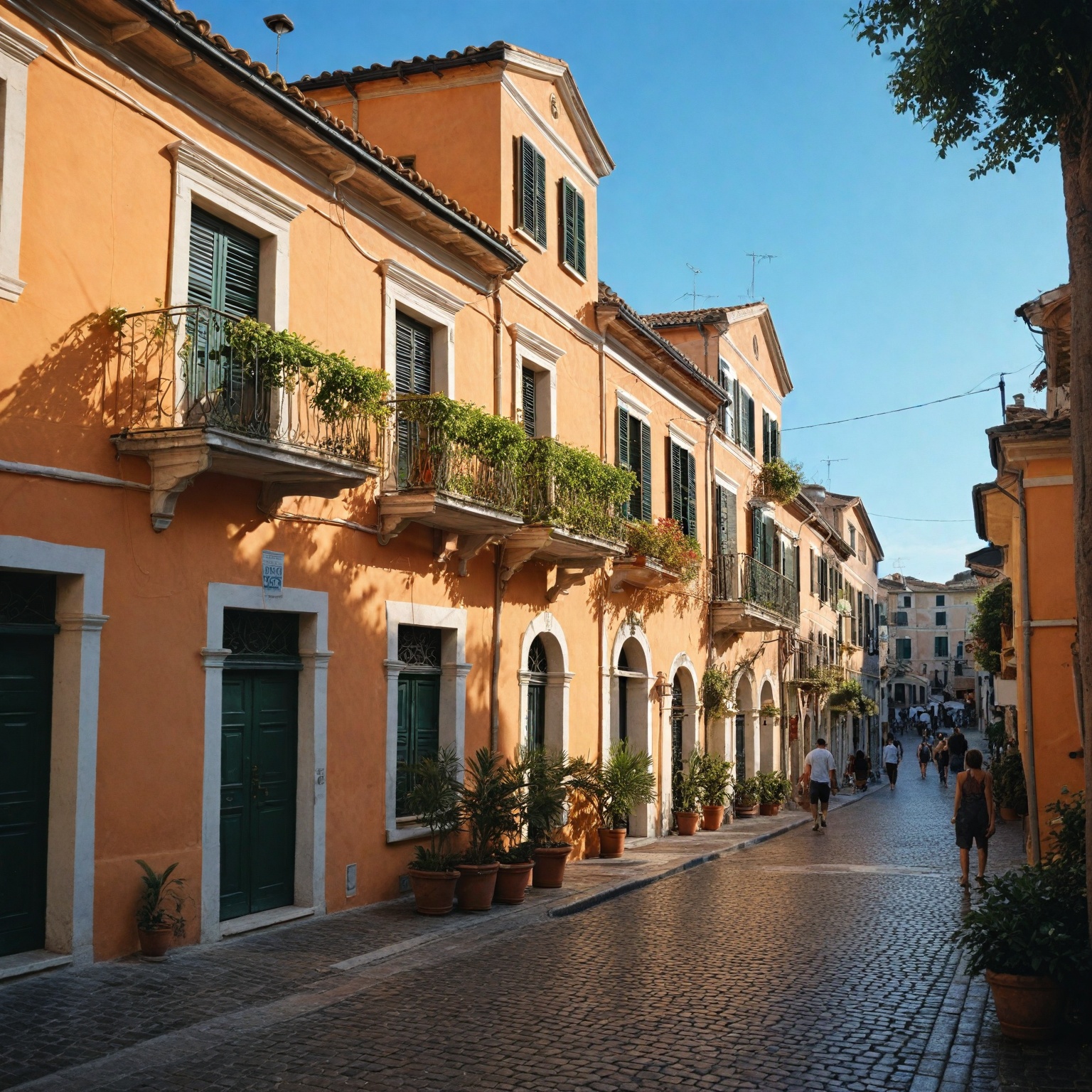
Architectural styles of affordable homes in Florida also vary, reflecting the state’s diverse cultural influences. Mediterranean and Spanish designs, characterized by stucco walls and tiled, low-pitched roofs, are common, especially in Central Florida. Victorian-style homes, notable for their narrow, tall structures and decorative trims, offer a distinct option for buyers interested in historic charm. Despite these varied styles, many affordable homes lean towards practical designs that balance cost-effectiveness with regional suitability.
Geographic and Climatic Influences on Housing Affordability
Florida’s geographic location and climate play significant roles in shaping housing affordability across the state. The long coastline exposes the region to frequent hurricanes and flooding, which not only impact property values but also influence insurance rates and construction costs, thereby affecting the overall affordability of homes.
The southeastern coastline of Florida is particularly vulnerable to hurricanes, followed by the panhandle, while areas around Tampa, Jacksonville, and the Big Bend experience lower but still notable risk of direct hurricane strikes annually. This heightened risk necessitates stricter building codes in many South Florida cities, where materials capable of withstanding high winds are mandated and efforts to elevate roads and homes are underway to combat sea level rise. These adaptations, although essential for safety, contribute to increased housing costs.
In addition to storm threats, flooding poses both immediate and long-term challenges to residents and housing markets. Flooding not only damages infrastructure and homes but also affects mental health and pregnancy outcomes, highlighting broader social costs beyond property damage. Furthermore, persistent humidity in Florida homes requires specialized solutions such as dehumidifiers and weatherproofing to maintain comfortable living conditions, adding another layer of expense for homeowners.
The combined effect of natural disaster risk and climatic conditions means that insurance premiums are often higher in coastal and flood-prone areas, which can deter potential buyers or increase monthly housing expenses. Despite these challenges, some inland and less vulnerable areas—such as parts of Pensacola—offer more affordable housing options partly due to lower exposure to direct hurricane impacts and lower living costs. Nonetheless, the ongoing housing shortage in rapidly growing regions like Southwest Florida continues to keep prices elevated, further complicating affordability for first-time homebuyers.
Specific Affordable Homes and Listings
For prospective homebuyers seeking budget-friendly options in Florida, several towns offer affordable housing despite the statewide trend of rising prices. Notably, the following ten towns stand out for their relatively low-cost homes: Quincy, Palatka, Avon Park, Defuniak Springs, Live Oak, Holiday, Port Richey, Sebring, Lake City, and Inverness. These areas provide opportunities for first-time buyers to enter the market amid otherwise challenging affordability conditions, especially in regions like Southwest Florida where median home prices have soared beyond typical affordability thresholds.
Among these locations, DeBary and Lakeland present unique appeal. DeBary offers a lakeside lifestyle with a median home sales price that slightly declined by 2% as of December 2024, coupled with a below-national-average unemployment rate and projected job growth of 42.9% over the coming decade. Lakeland, known for its 38 scenic lakes, provides a peaceful environment that appeals to buyers looking for natural beauty alongside affordability.
Market data highlights that while the median single-family home price in Florida was approximately $410,000 in 2023, the inventory of homes for sale increased by 11.6% year over year in May 2025, with 227,774 listings available. However, newly listed homes decreased by 11.7% in the same period, indicating a competitive market environment for affordable housing. Tools like Properstar and local MLS databases assist buyers in navigating this complex market by providing up-to-date pricing and availability information.
Additional incentives may be available in certain listings, such as seller assistance with closing costs or interest rate buy-downs, and acceptance of FHA and VA loans, which can further improve accessibility for budget-conscious buyers. Overall, these specific affordable home options throughout Florida offer promising entry points for those looking to own property in the Sunshine State without facing the highest market prices.
Neighborhoods and Community Features in Affordable Areas
Affordable neighborhoods in Florida often offer a blend of appealing community features that contribute to quality of life, despite the challenges posed by rising housing costs. Many affordable areas feature a variety of housing styles, including ranch-style homes popular among seniors for their single-level design and attached garages, which provide ease of access and convenience. These neighborhoods often maintain a moderate variation in quality, with factors such as lower crime rates and community safety enhancing their appeal.
Residents in affordable Florida communities benefit from vibrant local amenities that foster a strong sense of belonging and engagement. For example, cultural attractions like art galleries, museums, and annual festivals play a significant role in community life. Cities such as Melbourne and Dunedin highlight this with events including the Melbourne Art Festival, Dunedin Highland Games, and the Melbourne Independent Filmmakers Festival, which encourage social interaction and cultural enrichment. Additionally, outdoor recreation is a key feature, with access to parks, trails, golf courses, and waterfront activities readily available, promoting active lifestyles and community connection.
Community infrastructure extends beyond physical housing to include essential services and connectivity. Access to reliable, high-speed internet is an important determinant of neighborhood quality, enabling residents to work, learn, and stay connected in an increasingly digital world. Moreover, some affordable housing providers adopt a holistic approach by integrating resident-focused services that support tenants’ physical, financial, mental, and social health, thereby stabilizing communities and creating sustainable impacts.
Despite the affordability of these areas, some challenges persist. For instance, suburban affordable housing often entails reliance on personal vehicles due to limited public transportation options, creating additional expenses for residents and affecting their ability to save. Natural disaster risks, particularly from hurricanes, have also led to increased insurance costs, further impacting housing affordability and community resilience.
Local Government Policies and Community Programs
The City of Jacksonville actively manages affordable housing initiatives through its Housing and Community Development Division (HCDD). The HCDD works to increase the availability of affordable housing for low- and moderate-income residents by fostering public and private partnerships. Its efforts include providing financial assistance to develop safe, quality affordable housing, creating pathways to homeownership, improving infrastructure and public facilities, and supporting homeless prevention and services programs.
Jacksonville Housing’s mission emphasizes delivering safe, clean, and affordable housing alongside effective social services tailored to low- and moderate-income families and individuals. The agency administers various programs such as the Family Self-Sufficiency Program (FSS), Senior Services, Neighborhood Network Center, Family Unification Program, Family Support, JobsPlus Program, and the HICKS Prep Club & Scholarship, all designed to bolster community stability and opportunity.
Beyond improving residents’ quality of life, affordable housing initiatives in Jacksonville also contribute to broader economic and social benefits. These include reducing taxpayer expenses by lowering public costs related to healthcare, homelessness, and educational challenges, as well as stimulating local economies through job creation tied to housing construction and rehabilitation projects.
The local government’s commitment to affordable housing is further exemplified by partnerships with major community stakeholders. For instance, the Jacksonville Jaguars pledged millions toward community redevelopment, including affordable and workforce housing, as part of their agreement on a new stadium project. Such collaborations underscore the integration of housing policies within broader urban development and economic growth strategies.
Market Trends and Latest Data
The housing market in Florida, like much of the United States, has experienced significant shifts in recent years. Following a period characterized by low interest rates and high demand, the market saw record-high home prices rising faster than wages. However, with the onset of a more restrictive monetary policy and elevated interest rates, housing affordability has substantially decreased, particularly impacting first-time homebuyers in Southwest Florida, where median-priced residential properties have become unaffordable based on Housing Affordability Index (HAI) metrics.
As of May 2025, Florida’s housing inventory included approximately 227,774 residential homes for sale, reflecting an 11.6% increase year-over-year. Despite this increase in supply, newly listed homes declined by 11.7% during the same period. Around 10.8% of homes sold above list price in
Benefits of Purchasing Affordable Homes in Florida
Florida offers numerous advantages for homebuyers seeking affordable properties, making it an attractive destination for a diverse range of lifestyles. One of the primary benefits is the state’s favorable tax environment, notably the absence of state income tax, which can significantly reduce the overall cost of living for homeowners. Additionally, regions such as the Florida Panhandle, including areas like Pensacola-Ferry Pass-Brent and Tallahassee, provide affordable housing options with median home prices below $290,000 and manageable monthly mortgage payments around $2,200, making homeownership more accessible.
The ongoing population growth in Florida further enhances the value of investing in affordable homes. With over 450,000 new residents moving to the state between 2021 and 2022, demand for housing remains robust, stimulating new construction particularly in counties like Polk, Lee, Pasco, and Hillsborough. This population influx supports increasing property values over time, offering potential financial appreciation for homeowners and investors alike.
Beyond financial considerations, affordable homes in Florida often come with access to quality amenities and vibrant communities. Cities like Tampa provide residents with proximity to cultural attractions such as The Florida Aquarium and Busch Gardens, contributing to a high quality of life. Moreover, many affordable housing initiatives emphasize not only physical housing but also supportive services that improve residents’ well-being, including programs focused on health, education, and economic stability.
Finally, affordability combined with lifestyle benefits such as sunny weather, recreational opportunities, and relatively low crime rates in select neighborhoods makes Florida an appealing choice for individuals and families seeking both value and quality living environments. With the ongoing development of affordable housing options and community-focused programs, purchasing a home in Florida offers both immediate and long-term advantages for a broad spectrum of buyers.
Guidance for Prospective Buyers
Prospective homebuyers in Florida have several resources and considerations to keep in mind to navigate the housing market effectively. Many listings, such as those welcoming FHA and VA loans, may offer additional incentives like assistance with closing costs or interest rate buy-downs when presented with acceptable offers, making homeownership more accessible. For individuals seeking personalized assistance, connecting with local real estate agents can provide valuable support in exploring financing solutions, scheduling home tours, and understanding buying and selling power within the market.
Affordability remains a key factor, with median home sales prices in some communities experiencing slight declines—for example, a gentle 11.5% decrease was noted in December 2024 compared to the previous year. Buyers willing to look beyond major cities and resort areas often find more affordable options throughout the state. It is important to consider the broader economic environment as well; a strong job market with higher wages improves mortgage affordability, and numerous government programs, including first-time homebuyer assistance and low-income housing tax credits, can further aid potential buyers.
Several federal and state initiatives also play a role in supporting affordable housing in Florida. For instance, the Housing and Community Development Division administers funds from the U.S. Department of Housing and Urban Development (HUD) and the State of Florida to preserve neighborhoods, build affordable housing, and promote economic revitalization. While Florida’s desirable lifestyle and population growth contribute to increasing property values, buyers should remain aware of ongoing affordability challenges and market fluctuations.
Finally, the housing market dynamics, including inventory levels and sale prices, influence buying opportunities. As of May 2025, Florida had a notable percentage of homes selling above list price, although this figure showed a slight year-over-year decrease, indicating shifting market conditions. Overall, prospective buyers are encouraged to leverage available assistance programs, collaborate with knowledgeable agents, and consider less competitive areas to find affordable homes in the Sunshine State.
The content is provided by Avery Redwood, Brick By Brick News