Summary
Discover the Top 3 Family-Friendly Toronto Neighborhoods of the Future highlights emerging and established communities in Toronto that combine safety, accessibility, quality education, and sustainable urban growth to create ideal living environments for families. As Toronto continues to experience dynamic population growth fueled by young families and international migrants, identifying neighborhoods that balance present-day amenities with future-oriented development is crucial for long-term livability and community well-being.
This overview focuses on three standout neighborhoods: Leslieville, Davisville Village, and a new island community at the confluence of the Don River and Lake Ontario. Each area exemplifies distinct strengths—Leslieville offers a vibrant urban village atmosphere with strong community policing and cultural diversity; Davisville Village provides excellent schools, diverse housing options, and robust transit connectivity; while the emerging island community emphasizes green space, recreational opportunities, and inclusive cultural recognition through initiatives like the Indigenous Spirit Garden.
These neighborhoods are notable not only for their current family-friendly attributes but also for their alignment with Toronto’s broader urban development goals, including sustainable growth, integration of newcomers, and affordable housing. Planning policies such as inclusionary zoning and community engagement efforts aim to mitigate challenges like gentrification and overcrowding, ensuring that these communities remain accessible and supportive for families in the decades ahead.
Overall, the top family-friendly neighborhoods of the future reflect Toronto’s commitment to creating safe, amenity-rich, and diverse environments where families can thrive amidst urban evolution. By prioritizing education, recreation, transportation, and cultural inclusion, these communities offer promising models for family life in one of Canada’s fastest-growing metropolitan areas.
Criteria for Family-Friendly and Future-Oriented Neighborhoods
When evaluating neighborhoods in Toronto that are ideal for families and poised for future growth, several key criteria come into focus. These factors help ensure a high quality of life for residents while addressing the evolving demands of urban living.
Family-Friendly Environment
A family-friendly neighborhood prioritizes safety, community engagement, and an abundance of recreational opportunities. Low crime rates and proactive policing foster a secure atmosphere, as seen in areas like Leaside and Leslieville, where close relationships between officers and community members contribute to neighborhood safety. Additionally, neighborhoods with numerous parks, green spaces, and family-oriented facilities support outdoor activities and social interactions for all ages. The presence of playgrounds and sporting fields further enhances the appeal for families with children.
Educational Opportunities
Access to high-quality schools is a fundamental consideration. Neighborhoods such as Davisville Village and Leaside are noted for their excellent public schools at both the elementary and secondary levels. Proximity to well-regarded educational institutions not only supports children’s academic development but also strengthens community ties and long-term residency stability.
Access to Amenities and Transportation
Convenient access to shops, restaurants, cultural venues, and public transit is vital for family convenience and lifestyle balance. Midtown Toronto neighborhoods offer a blend of urban amenities with peaceful residential settings, allowing families to benefit from both accessibility and tranquility. Efficient public transit connections reduce commuting times and promote sustainable living, which is increasingly important in future-oriented urban planning.
Affordability and Housing Diversity
Affordability remains a significant factor, especially for young families and first-time homebuyers. Communities like Rockcliffe-Smythe and East York are recognized for providing relatively affordable housing options without sacrificing access to essential services and amenities. A diverse range of housing types—from charming older homes to modern condominiums—accommodates varying family sizes, preferences, and budgets.
Future Growth and Sustainability
Future-oriented neighborhoods are those anticipated to experience sustained growth while maintaining balanced urban development. The northern parts of Toronto, along with certain midtown communities, are expected to see continued population increases, necessitating thoughtful planning to address density, green space preservation, and social infrastructure needs. Incorporating inclusive zoning policies and community-informed growth strategies helps mitigate challenges like gentrification and ensures that development benefits all residents.
Integration of Newcomers and Diversity
Given Toronto’s role as a primary destination for young international migrants, neighborhoods that facilitate newcomer integration through community programs and employment opportunities are particularly valuable. This contributes to vibrant, diverse communities with a dynamic socio-economic fabric, enriching the neighborhood culture and resilience over time.
Overview of Toronto’s Urban Development and Family-Friendly Initiatives
Toronto’s urban development is characterized by a dynamic pattern of concentrated and vertical growth, particularly in downtown and inner suburban areas. This growth presents challenges such as increased density and the need for careful planning to address social infrastructure and community needs. To manage these issues, inclusionary zoning policies are being considered to ensure that new developments contribute meaningfully to the community, helping to balance growth with affordability and accessibility.
In addition to vertical growth, urban sprawl is predicted to continue expanding into currently rural and agricultural hinterlands of the Greater Toronto Area. This outward expansion necessitates strategic planning and the use of modeling tools to evaluate and simulate future urban growth patterns, highlighting the complexity of managing Toronto’s evolving urban landscape.
Amidst these broader urban development trends, there is a strong focus on cultivating family-friendly neighborhoods that meet the needs of growing families. These initiatives emphasize the importance of accessibility to excellent schools, parks, community centers, and convenient transit options, all of which contribute to a high quality of life for families. Neighborhoods such as North Toronto are prime examples of areas that appeal especially to families, offering a range of housing options in a family-oriented environment.
Local real estate teams and planners prioritize family-friendly amenities, affordability, and access to recreation and schooling when promoting these neighborhoods. The goal is to provide communities that not only accommodate growth but also support the long-term well-being of families by balancing convenience, value, and a sense of community. Public consultations and infrastructure projects further support these initiatives, ensuring that development aligns with the needs and desires of residents.
Neighborhood 1: Leslieville
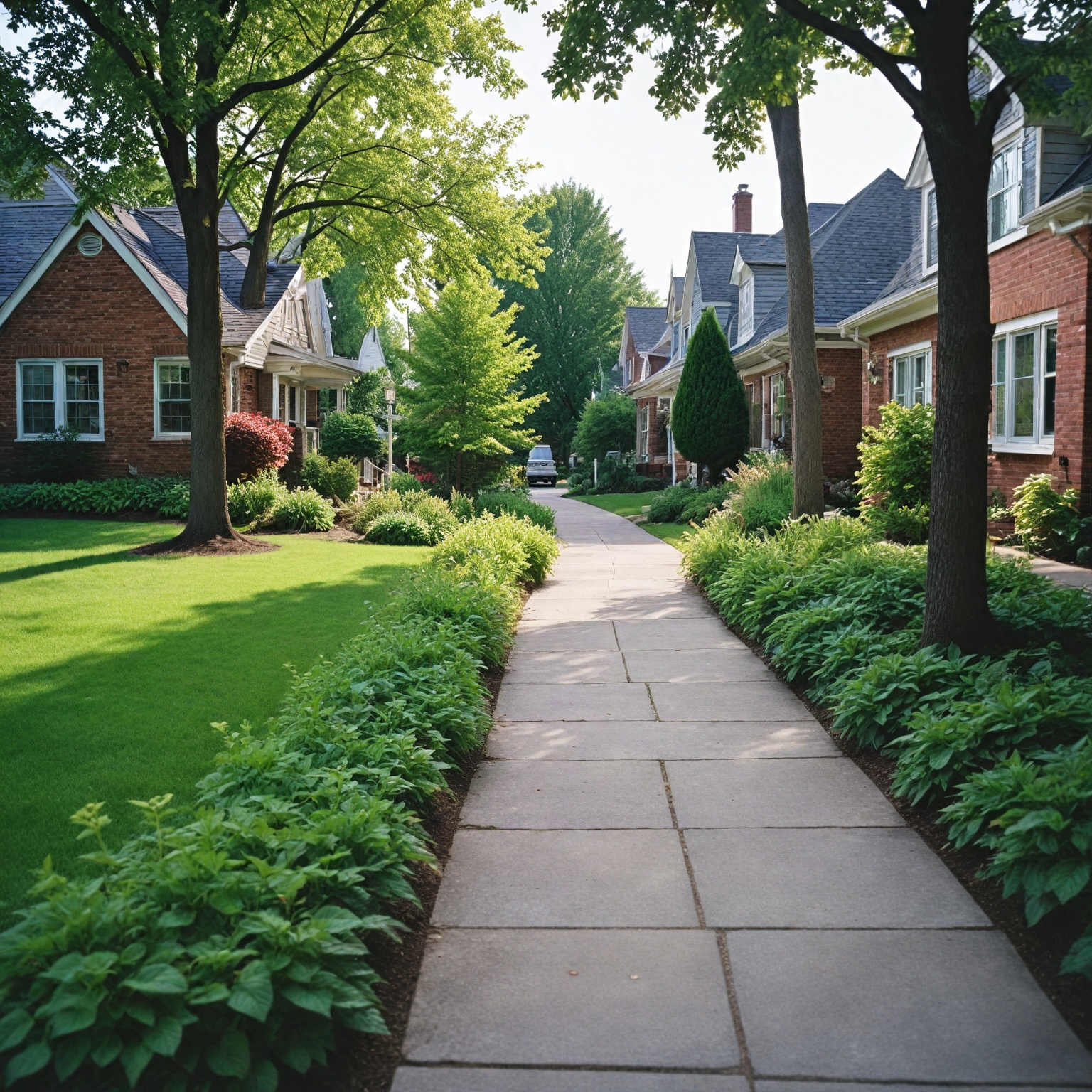
Leslieville is widely recognized as one of Toronto’s trendiest and most family-friendly neighbourhoods, located on the east side of downtown. Often described as having an urban yet small-town vibe, it attracts young millennial families who seek a community that balances the conveniences of city living with a close-knit, village-like atmosphere. The neighbourhood’s tree-lined streets, cozy houses, and small independent shops contribute to its quaint and welcoming feel despite its proximity to the downtown core.
Originally a working-class area, Leslieville has experienced significant transformation into a trendy hub for urban professionals, with new high-end lofts, townhomes, and condominiums boosting both property values and rental prices. Despite this growth and gentrification, Leslieville maintains its family-oriented character, offering abundant green spaces like Greenwood Park, which features seasonal recreational amenities including skating paths, playgrounds, and a farmers’ market that draws residents year-round.
Leslieville is notable for its excellent access to quality schools, ranging from elementary to high school levels, which are a key consideration for families choosing the area. The presence of multiple parks, playgrounds, and recreational facilities further supports a healthy and active lifestyle for children and parents alike. Additionally, the neighbourhood benefits from convenient public transit and proximity to downtown amenities, allowing families to enjoy a blend of suburban tranquility and urban vibrancy.
Safety is another important aspect that makes Leslieville appealing to families. Local police maintain strong relationships with community members, shopkeepers, and schools, fostering a secure environment through proactive engagement and city-led safety initiatives. Access to healthcare is also readily available, with several walk-in clinics, family physicians, and dental offices located within the neighbourhood, alongside easy routes to major Toronto healthcare institutions.
Culturally, Leslieville stands out for its diverse and active arts scene, featuring numerous galleries and multicultural influences, including one of North America’s largest Greek communities. This cultural richness adds to the neighbourhood’s appeal for families looking for a vibrant, inclusive environment.
Neighborhood 2: Davisville Village
Davisville Village is a vibrant and family-friendly neighbourhood located in Midtown Toronto near the intersection of Davisville Avenue and Yonge Street, anchored by the Davisville subway station. This community is well-regarded for its peaceful, welcoming atmosphere combined with convenient urban access, making it an ideal choice for families seeking a balanced lifestyle.
The neighbourhood offers a diverse range of housing options, including detached homes, high-rise apartments, and condominiums, catering to both young families and single occupants. Despite ongoing development and rising popularity, Davisville Village maintains rental prices close to Toronto’s average, particularly for multi-bedroom units, offering affordability without sacrificing quality of living.
Davisville boasts a strong educational infrastructure with nine public schools serving children of various ages, such as King George Junior Public School, Rockcliffe Middle School, and Humberside Collegiate Institute. Special programs offered within the area’s schools include Gifted/Talented, French Immersion, Advanced Placement, and International Baccalaureate, ensuring diverse educational opportunities for residents.
The community is enriched with numerous family-friendly amenities, including libraries, community centres, local shops, and a wide array of restaurants featuring various cuisines. One of the standout features is the upcoming Davisville Community and Aquatic Centre, an architectural highlight that will provide two indoor swimming pools, multi-purpose rooms, a rooftop walking track, and gardens. This facility will be shared with the adjacent Davisville Junior Public School through a partnership with the Toronto District School Board, enhancing recreational and educational resources for residents.
Transportation in Davisville Village is another strong asset, with 46.5% of residents relying on public transit and 11.9% walking or biking, both figures notably higher than the city average, reflecting the neighbourhood’s excellent connectivity and walkability. The area’s proximity to major transit routes ensures easy access downtown and throughout Toronto, supporting commuting families and those seeking urban amenities within a family-friendly setting.
Additionally, the neighbourhood is bounded by green spaces like Mount Pleasant Cemetery and close to parks and recreational facilities, providing ample outdoor opportunities for families to enjoy. Overall, Davisville Village combines educational excellence, strong community amenities, convenient transit, and diverse housing options, establishing it as one of Toronto’s top family-oriented neighbourhoods poised for future growth and sustained livability.
Neighborhood 3: New Island Community at Don River and Lake Ontario
A brand new island community is currently under development at the confluence of the Don River and Lake Ontario as part of the Port Lands Flood Protection project. This emerging neighborhood is designed to provide a family-friendly environment with approximately 34 acres of parkland and public space, including Promontory Park, which offers scenic views of the Toronto skyline.
The area emphasizes green space and outdoor recreational opportunities, complementing Toronto’s extensive ravine system and island parks that contribute to the city’s abundant greenery. The new community aims to blend urban living with natural surroundings, making it an attractive location for families seeking both convenience and access to nature.
In addition to recreational amenities, this development includes the Indigenous Spirit Garden near Nathan Phillips Square, part of the Indian Residential School Survivors (IRSS) Restoration of Identity Project, reflecting a commitment to cultural recognition and community inclusion within the neighborhood.
Additional Neighborhoods with Family-Friendly Growth Potential
Beyond the top three family-friendly neighborhoods, several other areas in Toronto demonstrate promising potential for families seeking a vibrant, safe, and amenity-rich environment. These neighborhoods combine quality schools, recreational facilities, and diverse housing options, fostering strong community ties and offering an excellent quality of life.
Bloor West Village and Runnymede
Bloor West Village, often described as “a small village in a big city,” is renowned for its picturesque, tree-lined streets and strong community spirit, making it an ideal place for families to settle down. The neighborhood features a high concentration of schools—including nine public institutions such as King George Junior Public School and Humberside Collegiate Institute—along with numerous parks, playgrounds, and daycare facilities that cater to families of all sizes. The area’s vibrant shopping district along Bloor Street and its reputation for safety contribute to its appeal.
Adjacent to Bloor West Village is the Runnymede neighborhood, which shares many family-friendly characteristics. Predominantly residential with quiet streets, Runnymede offers a variety of housing types, including single-family homes and semi-detached houses largely built in the mid-20th century. The community is home to a notable Ukrainian population, celebrated annually during the Ukrainian Festival, reflecting the neighborhood’s multicultural fabric. The presence of several public, Catholic, and private schools with special programs further enhances its attractiveness to families.
Roncesvalles
The Roncesvalles neighborhood stands out for its abundance of local amenities that cater to diverse family needs. It offers numerous daycare and nursery schools, places of worship, and recreational opportunities, creating a welcoming environment for residents from varied backgrounds. The neighborhood’s strong sense of community and access to essential services make it a desirable choice for families prioritizing both cultural diversity and family-oriented resources.
Together, these neighborhoods complement Toronto’s landscape of family-friendly communities by offering a balance of safety, schooling excellence, cultural diversity, and recreational opportunities. Their ongoing development and strong community engagement suggest continued growth potential for families looking to plant roots in the city.
Comparative Analysis of Top Neighborhoods
When evaluating the top family-friendly neighborhoods in Toronto for the future, several key factors must be considered, including safety, accessibility, educational opportunities, recreational amenities, and affordability. Data science-driven neighborhood analysis emphasizes population growth, median income, crime rates, and educational attainment as primary indicators of potential return on investment and quality of life.
Bloor West Village stands out for its exceptional balance across many of these metrics. It is renowned for its safety, accessibility via Jane and Runnymede subway stations, and charming residential character marked by old homes and tree-lined streets, which together create an exclusive neighborhood feel. Its parks, such as those in Runnymede-Bloor West Village, offer numerous recreational facilities including playgrounds and dog parks, making it highly attractive for families seeking outdoor activities. The quality of local schools is also a significant draw, with access to various special programs such as Gifted/Talented, French Immersion, and Advanced Placement, catering to diverse educational needs.
Leslieville has emerged as a sought-after option for families desiring a vibrant yet safe urban environment. The neighborhood benefits from strong community-police relationships, reducing safety concerns and fostering a welcoming atmosphere. Families here enjoy abundant amenities and a variety of educational and recreational activities, contributing to a balanced urban lifestyle. The City of Toronto’s investment in neighborhood safety programs further enhances Leslieville’s appeal as a family-friendly area.
Rockcliffe-Smythe, in contrast, offers affordability alongside convenient access to family-oriented amenities, making it particularly appealing to renters and those seeking value without sacrificing quality of life. While not as established as Bloor West Village or Leslieville in terms of community infrastructure, its proximity to necessary services and ongoing development signal potential for future growth aligned with family needs.
In addition to these neighborhood-specific factors, the broader context of Toronto’s future growth must be considered. The northern parts of the city are projected to experience continuous population increases, fueled largely by young international migrants. This demographic trend suggests that neighborhoods offering integration-supportive services and inclusive zoning policies will likely see sustained development and community engagement. As such, the top family-friendly neighborhoods of the future will be those that not only provide current amenities but also adapt to changing demographics and prioritize long-term planning for inclusive growth.
Demographic Trends and Projections
Toronto’s population growth is increasingly driven by young international migrants, a trend that is expected to continue shaping the city’s demographic
Community Services and Family Support Systems
Family-oriented neighborhoods in Toronto prioritize a range of community services and support systems designed to enhance the quality of life for residents. Access to healthcare is a critical component, with areas like Leslieville providing multiple walk-in clinics, family physician offices, and dental services that facilitate routine medical care. Moreover, residents benefit from quick access to major healthcare institutions such as Sunnybrook Health Sciences Centre, located approximately 9.25 km from the city center, ensuring comprehensive medical support for families.
Education and enrichment programs form another pillar of family support. Parents can find numerous after-school programs, PA day activities, lessons, and classes across Toronto and its districts, including Scarborough, North York, Etobicoke, and East York. These programs support children’s development beyond the classroom and provide valuable resources for working families. Neighborhoods like York Mills offer specialized educational services such as Oxford Learning®, which delivers engaging tutoring programs tailored to local students and their academic needs.
Community engagement and a nurturing environment are fostered through various local initiatives that encourage values like compassion and empathy from an early age. The combination of accessible healthcare, educational opportunities, and active community involvement contributes to creating thriving family-friendly neighborhoods that cater to diverse needs and lifestyles. Families are encouraged to explore these neighborhoods in depth, including visiting schools, parks, and community hubs, to experience the supportive atmosphere firsthand and find the ideal environment for their family’s growth and happiness.
Impact of Urban Development on Families and Communities
Urban development in Toronto significantly influences the living experience of families and the broader community dynamics. As the city’s population continues to grow, the push towards suburban areas reflects families’ desire for more spacious homes, abundant green spaces, and access to family-oriented amenities such as parks, community centers, and highly rated schools. This suburban shift offers a quieter, more comfortable environment compared to the dense and busy downtown core.
However, rapid growth and increasing density in Toronto’s downtown and inner suburbs present planning challenges that affect families and communities. Inclusionary zoning policies are becoming essential tools to ensure that new developments contribute meaningfully to affordable housing and community resources, helping to mitigate displacement and gentrification pressures. Effective urban planning also requires community-informed strategies that address service planning and infrastructure needs to maintain quality of life during periods of change.
Furthermore, northern Toronto is projected to experience sustained growth in the coming decades, leading to ongoing reduction in agricultural land and increased urbanization. This trend underscores the importance of balancing development with preservation efforts and ensuring that future neighborhoods integrate infrastructure and amenities conducive to family living.
The content is provided by Blake Sterling, Brick By Brick News