Summary
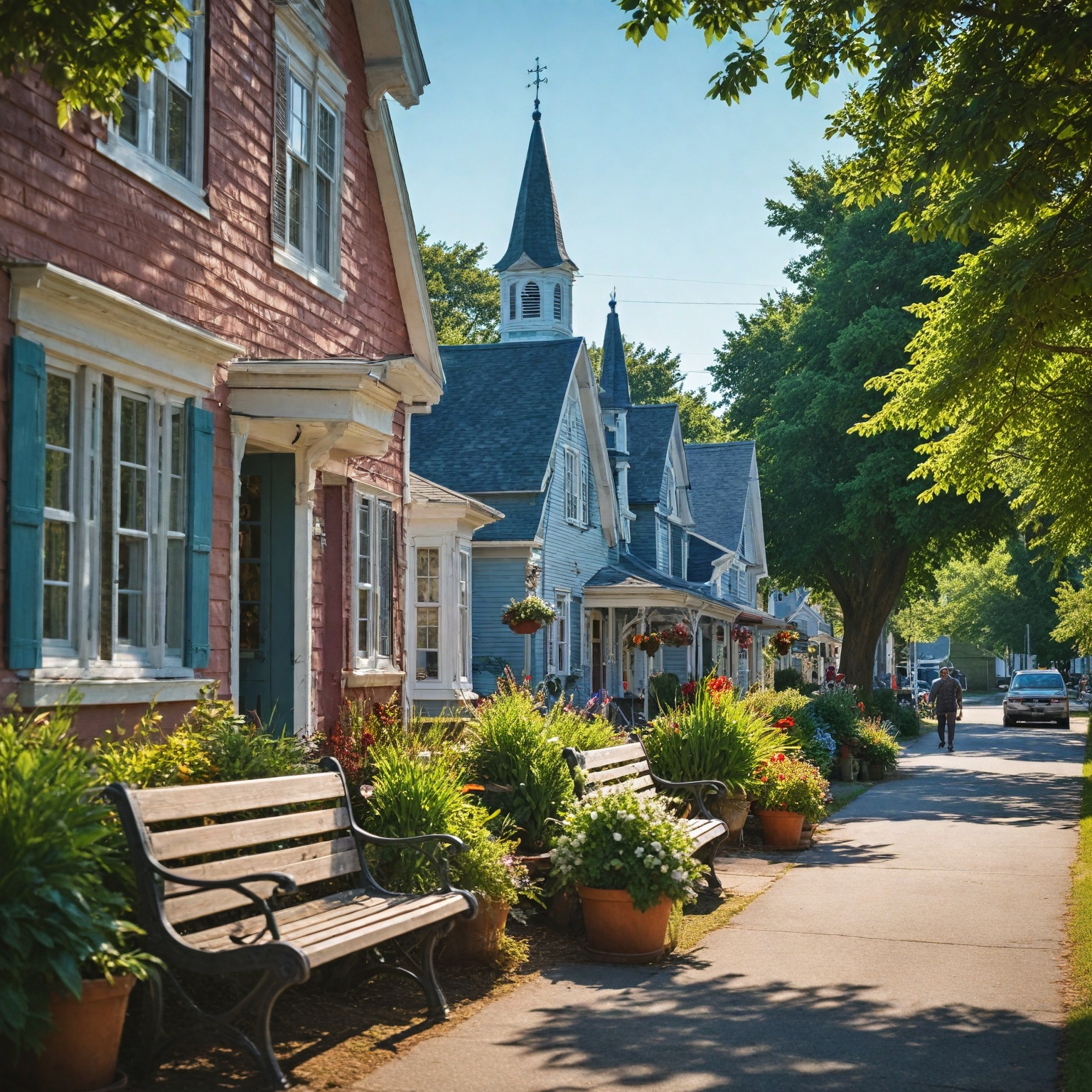
Discover the Top Small Towns in Nova Scotia for Your Ideal Home Purchase offers an insightful guide for prospective homebuyers seeking affordable, scenic, and community-oriented living in one of Canada’s most culturally rich provinces. Situated on the southeastern coast of the country, Nova Scotia boasts a diverse landscape of coastlines, forests, and rolling hills, complemented by a mild climate and a vibrant cultural mosaic that includes Indigenous Mi’kmaq, French Acadian, African Nova Scotian, and Scottish heritage communities. This province’s small towns present attractive alternatives to urban centers, combining historic charm, natural beauty, and economic opportunities that appeal to a wide range of buyers.
The article highlights key criteria for selecting the ideal small town in Nova Scotia, including housing affordability, lifestyle quality, community amenities, economic stability, infrastructure, and climate considerations. Many towns offer home prices well below the Canadian national average, making them accessible for first-time buyers and retirees alike. Notable towns such as Lunenburg, Mahone Bay, Chester, and Tatamagouche are showcased for their unique cultural heritage, strong community life, and local economies rooted in fisheries, tourism, agriculture, and small business development.
Recognizing the impacts of climate change, the guide addresses environmental risks such as coastal erosion and extreme weather, which are increasingly relevant for prospective homeowners in Nova Scotia’s coastal communities. Provincial initiatives and tools help residents plan and adapt to these challenges, emphasizing the importance of sustainable and resilient living environments. Additionally, the article offers practical tips for homebuyers, including navigating local real estate markets, understanding municipal governance, and leveraging energy efficiency resources to enhance both comfort and cost savings.
Overall, this comprehensive overview serves as a valuable resource for individuals and families looking to embrace the slower pace, rich cultural fabric, and natural beauty of Nova Scotia’s small towns. By balancing affordability, lifestyle, and environmental awareness, homebuyers can make informed decisions to find their ideal home in this distinctive Atlantic Canadian province.
Overview of Nova Scotia
Nova Scotia, Latin for New Scotland, is a Canadian province located on the southeastern coast of the country. It is the most populous province in Atlantic Canada, with Halifax serving as its capital and a major economic centre for the region. The province is part of the Appalachian physiographic region, characterized by diverse terrain that includes coastal areas, forests, and inland regions with greater temperature variations. Its 13,000-kilometre coastline features wave-worn cliffs and tranquil, island-studded bays that shape both the natural environment and cultural heritage of the province.
The population of Nova Scotia is culturally and ethnically diverse. Indigenous Mi’kmaq communities, French Acadians, African Nova Scotians, and descendants of Scottish settlers contribute to the province’s rich cultural mosaic. According to the 2021 Canadian census, immigrants born outside Canada represent 7.5 percent of the population, totaling 71,570 individuals. English is the predominant language, spoken by the vast majority of residents, although French, Gaelic, and Mi’kmaq have experienced a cultural resurgence in recent years.
Nova Scotia’s climate varies with coastal areas experiencing fog and cool sea breezes, while inland regions undergo greater seasonal temperature swings. The average annual temperature ranges from 41°F to 46°F, with warmer months spanning from June to September. This climate supports a wide array of plant and animal species unique to the region.
The province’s demographic trends have seen shifts, including a negative net interprovincial migration from 1971 to 2011, though recent growth in public sector employment and migration from rural to urban centres such as Halifax have contributed to population stability and economic activity. Nova Scotia contains 37 designated population centres with populations over 1,000 and high population densities, reflecting a mixture of urban and rural communities.
Criteria for Choosing Ideal Small Towns
When selecting the ideal small town in Nova Scotia for purchasing a home, several key criteria come into play that cater to lifestyle preferences, affordability, and long-term community viability.
Affordability and Housing Accessibility
One of the primary considerations is housing affordability. Many small towns in Nova Scotia offer home prices that are significantly lower than national averages, making homeownership accessible to a wider range of buyers. This affordability is a strong draw for those seeking a slower pace of life without the financial pressures commonly found in larger urban centers.
Lifestyle and Natural Environment
Prospective homeowners often prioritize the lifestyle offered by the town. Nova Scotia’s small towns are renowned for their natural beauty, including stunning coastlines, rolling hills, picturesque fishing villages, and tranquil lakeside settings. Towns such as Pictou, Mahone Bay, and Baddeck provide unique blends of historic charm, artistic communities, and peaceful environments that appeal to individuals looking for a connection to nature and a close-knit community atmosphere.
Community and Amenities
The presence of vibrant community life and local amenities is another important factor. Despite their small size, many towns host a variety of restaurants, shops, cultural attractions, and recreational opportunities that contribute to residents’ quality of life. Access to healthcare facilities and educational programs further enhances the appeal of these towns for families and retirees alike.
Economic and Employment Opportunities
Economic stability and employment prospects also influence town selection. Nova Scotia benefits from business development incentives, including payroll rebates and startup funding, which support innovation and job creation in smaller communities. Additionally, key industries such as agriculture, fisheries, and the public sector provide employment opportunities that sustain local economies.
Infrastructure and Public Services
Investments in infrastructure, healthcare, and housing by the provincial government play a crucial role in improving living standards and accessibility in small towns. Well-maintained roads, reliable healthcare access, and community wellness programs contribute to a town’s overall attractiveness for long-term residency.
Climate Considerations
Prospective buyers may also consider the impacts of climate change, as Nova Scotia is experiencing changes in temperature, rainfall, and extreme weather events. While these factors pose challenges, they may also bring benefits such as longer growing seasons, influencing agricultural productivity and local lifestyles.
By weighing these criteria—affordability, lifestyle, community amenities, economic opportunity, infrastructure, and climate impacts—buyers can identify the small town that best aligns with their personal and financial goals in Nova Scotia.
Notable Small Towns for Home Purchase
Nova Scotia offers a variety of charming small towns that appeal to prospective homebuyers seeking affordability, natural beauty, and a slower pace of life. Each town provides a unique combination of cultural heritage, scenic surroundings, and community atmosphere, making them ideal locations for those looking to settle in the region.
Lunenburg
Lunenburg is a historic port town on Nova Scotia’s South Shore, established in 1753 as one of the first British Protestant settlements in the province. It retains a strong maritime character, historically centered on the offshore fishery and now home to Canada’s largest secondary fish-processing plant. The town is renowned for its well-preserved architecture, with about 40 buildings listed on the Canadian Register of Historic Places, including the Knaut-Rhuland House museum and notable churches such as Zion Evangelical Lutheran and St. John’s Anglican Church. Visitors and residents alike enjoy exploring the waterfront and historic district, which offer rich cultural experiences and a glimpse into the town’s storied past.
Mahone Bay
Famed for its picturesque setting along a gently curving shoreline, Mahone Bay embodies classic Nova Scotian charm. Its most iconic feature is the cluster of three adjacent churches dating from the late 19th and early 20th centuries, which are a favorite subject for photographers and the venue for summer musical performances. Despite its small size, the town has a vibrant artisan community and a range of shops and restaurants catering to both locals and tourists. The town’s name originates from the mahonne, a type of low-lying ship once favored by pirates in the bay’s waters.
Chester
Chester is known as a summer sailing destination with a history spanning over two centuries. The town offers a welcoming atmosphere, with popular local spots such as the Fo’c’sle, Nova Scotia’s oldest tavern affectionately called “Chester’s living room.” Its coastal setting and friendly community make it a desirable place for those seeking both recreational activities and a relaxed lifestyle.
Tatamagouche
Located on Nova Scotia’s north shore, Tatamagouche serves both as a destination and a convenient base for exploring the region. The town has undergone a revitalization after economic downturns, now boasting local attractions like Tatamagouche Brewing and Appleton Chocolates. Its agrarian roots are celebrated at Creamery Square, and the town’s vibrant Main Street offers a mix of shops and eateries that reflect its renewed energy.
Other Noteworthy Towns
Several other small towns in Nova Scotia also attract homebuyers due to their distinct qualities. Baddeck, set in a tranquil environment with stunning views, appeals to those seeking peace and natural beauty. Digby, with its historic waterfront and proximity to ferry access from Saint John, New Brunswick, combines heritage with convenience. Chéticamp, an Acadian hub nestled between mountains and sea, is known for its crafts and lively music scene. Antigonish is recognized for hosting the annual Highland Games, showcasing traditional Scottish culture and community spirit.
Historical Context and Settlement Patterns
The region now known as Nova Scotia has a rich history of human habitation dating back over 10,000 years, with evidence from sites such as the Debert Palaeo-Indian Site indicating early settlement by Indigenous peoples following the retreat of glaciers and the migration of large game like caribou. These early inhabitants developed the distinct culture, language, and traditions of the Mi’kmaq Nation, who occupied the area well before European contact.
European involvement began in earnest in the early 17th century. In 1605, French colonists led by Pierre Dugua, Sieur de Monts established Port Royal, the first permanent European settlement in what would become Canada and the first north of Florida. This settlement became the capital of the colony of Acadia, which encompassed the present-day Maritime Provinces, parts of Quebec, and southern Maine. The survival of these Acadian communities depended heavily on cooperation with the Indigenous peoples of the region.
Throughout the 17th and early 18th centuries, control of the region oscillated between France and England. The Treaty of Utrecht in 1713 permanently ceded mainland Nova Scotia to the British, though conflict persisted for decades. Under British rule, Nova Scotia saw an influx of settlers from the British Isles, Germanic states, and New England. This migration introduced a significant Protestant population, reshaping the demographic and cultural landscape of the colony. By the time of the American Revolution, New England settlers constituted approximately two-thirds of Nova Scotia’s population.
The American Revolution brought another significant wave of migration: the Loyalists. Around 3,500 Black Loyalists, who had fought for Britain in exchange for freedom, settled in Nova Scotia and New Brunswick. This group established the largest free Black settlement in North America at Birchtown, near Shelburne. The influx of Loyalists created intense pressure on land resources, often marginalizing the Mi’kmaq as land grants encroached on native territories.
Despite the initial optimism of Loyalist settlers who envisioned Nova Scotia becoming a prosperous imperial colony, many settlements experienced rapid decline. For example, Shelburne quickly grew to a population of 14,000 in 1783 but dwindled to a near ghost town within a few years. This boom-and-bust pattern reflects the challenges of settlement and economic sustainability in the region during this period.
The historical narrative of Nova Scotia’s settlement is preserved through archives and genealogical resources that document Acadian history, the Deportation (Le Grand Dérangement), and the stories of its diverse communities. These materials provide valuable insights into the complex interplay of Indigenous, French, British, and Loyalist influences that have shaped the province’s identity.
Cultural Identities and Heritage Preservation
Nova Scotia’s cultural landscape is deeply influenced by its diverse communities, including the Mi’kmaq, French Acadian, and African Nova Scotian populations, each contributing to the rich heritage found along the province’s extensive coastline. This cultural mosaic is preserved and celebrated through numerous museums and heritage sites that showcase the province’s ethnic backgrounds and working history. Notable institutions include the Glooscap Heritage Centre, Grand-Pré National Historic Site, Hector Heritage Quay, and the Black Cultural Centre for Nova Scotia, which together highlight Indigenous, Acadian, and African Nova Scotian histories. Additionally, museums such as the Cape Breton Miners Museum and the Maritime Museum of the Atlantic preserve the narratives of Nova Scotia’s industrial and maritime past.
The town of Lunenburg stands as a prime example of heritage preservation in Nova Scotia. Recognized as a UNESCO World Heritage Site, Lunenburg retains approximately 70% of its original colonial architecture, making it one of the best-preserved settlements of its kind in North America. Efforts to protect its historical buildings extend to provincial ownership of waterfront properties to ensure their conservation for future generations.
Genealogical and archival resources also play a crucial role in maintaining cultural identities, particularly for those interested in Acadian history and the profound impacts of events like the Deportation and Le Grand Dérangement. The Nova Scotia Archives provides extensive records and materials that support research and remembrance of early settlements and ongoing community life.
Cultural traditions remain vibrant in many small towns across Nova Scotia. For example, Pictou celebrates its Scottish roots with the annual Highland Games, the oldest continuous event of its kind outside Scotland, featuring parades, music, and traditional competitions. Seasonal festivals, such as the Scarecrow Festival in Mahone Bay, further enrich the cultural calendar by inviting community participation and creative expression.
Together, these diverse elements of heritage preservation and cultural celebration create a living history that defines Nova Scotia’s small towns, offering both residents and visitors a unique connection to the province’s past and present.
Economic Overview of Small Towns
Small towns in Nova Scotia benefit from a diverse and dynamic economic landscape that supports both traditional industries and emerging sectors. Historically, the province’s economy was deeply rooted in its rich fisheries, timber resources, and strategic location along major maritime routes connecting Europe, British colonies, and New France. Although shifts in trade patterns and the end of the Reciprocity Treaty in 1866 challenged these traditional economic foundations, many small towns have adapted and continue to thrive.
Today, key economic drivers in these communities include manufacturing, tourism and hospitality, as well as agriculture and fisheries. Manufacturing remains a significant contributor, accounting for 7.3% of Nova Scotia’s GDP in 2021 and employing over 31,000 people province-wide. Small towns often host specialized manufacturing operations that complement larger urban centers.
Tourism and hospitality play an essential role, leveraging the scenic beauty, rich history, and vibrant culture of these towns. Visitors are drawn to areas such as Mahone Bay, Lunenburg, and the Annapolis Valley, which feature unique restaurants, boutique shops, wineries, and cultural attractions. This sector provides vital employment opportunities and supports local businesses.
Agriculture and fisheries continue to underpin the rural economy, with small towns benefiting from the province’s renowned seafood industry, including lobster, scallops, and salmon. Fertile lands in these areas also support crop production such as apples, blueberries, and grapes, contributing to both local sustenance and broader market supply.
Additionally, many small towns experience economic influence from nearby urban centers like the Halifax Regional Municipality, where government employment and business incentives stimulate growth. Programs offering payroll rebates, research and development tax credits, and startup funding help foster innovation and job creation, extending positive impacts to surrounding communities.
Real Estate Market Trends in Nova Scotia
Nova Scotia’s real estate market is distinguished by its affordability and appeal to buyers seeking a slower pace of life combined with natural beauty. As of April 2025, the benchmark price for homes in Nova Scotia stood
Climate Impact and Environmental Considerations
Nova Scotia is already experiencing significant effects from climate change, which directly influence the living conditions and wellbeing of its residents. These impacts include rising air temperatures, increased rainfall, coastal erosion, and more frequent extreme storms, all of which pose challenges to maintaining a good quality of life in the province. Particularly vulnerable are communities along Nova Scotia’s extensive 13,000-kilometre coastline, where rising sea levels, storm surges, flooding, and erosion threaten homes, infrastructure, and natural habitats.
The provincial government and various organizations have developed tools and resources to assist residents, property owners, and local governments in addressing these environmental risks. These include Coastal Hazard Assessment Reports that provide insight into potential flooding and erosion for specific properties, a Coastal Hazard Mapping Tool for visualizing current and future coastal changes, and a Coastal Adaptation Toolkit designed to support rural coastal communities in planning for climate impacts. Additionally, nature-based solutions such as restoring and enhancing natural coastal processes are promoted to reduce erosion and flooding effects.
A Well-being at Risk Index (WRI) has been used to analyze how climate change impacts could affect the social wellbeing of Nova Scotians, especially vulnerable populations, by examining multiple future scenarios through the 21st century. This index highlights the importance of equitable and effective adaptation strategies to safeguard the health and prosperity of communities throughout the province. Despite these challenges, some climate change effects may offer localized benefits, such as a lengthened growing season that could enhance food production.
Tips for Homebuyers in Nova Scotia Small Towns
When considering a move to one of Nova Scotia’s charming small towns, prospective homebuyers should take several factors into account to make an informed and satisfying purchase. First, affordability is a key advantage in many small towns across the province. Compared to national averages, housing prices in Nova Scotia remain more accessible, with a benchmark price of approximately $430,400 as of April 2025, significantly lower than the Canadian average of $679,866. This affordability opens up homeownership opportunities to a wider range of buyers.
Exploring local real estate listings and consulting with knowledgeable agents, such as those from Zoocasa, can help buyers navigate the distinct markets found in towns like Pictou, Mahone Bay, and Baddeck, each offering unique atmospheres and amenities. These towns not only provide natural beauty—ranging from coastlines to rolling hills—but also a slower pace of life that appeals to those seeking tranquility.
Understanding municipal governance is also helpful. Towns in Nova Scotia are incorporated under the authority of the Nova Scotia Utility and Review Board, following the Municipal Government Act, which can impact local policies and services that affect homeowners. Additionally, staying informed about economic developments such as the province’s regulation of online gambling through the Atlantic Lottery Corporation may be relevant for those interested in community growth and economic opportunities.
Buyers should also consider environmental factors, especially when purchasing coastal properties. Resources offering climate data and sea level rise projections are available to aid decision-making and ensure resilience against climate change impacts. Awareness of these factors contributes to responsible and sustainable homeownership.
Finally, connecting with local organizations like Efficiency Nova Scotia and the Clean Foundation can provide guidance on improving energy efficiency in homes and businesses, supporting both cost savings and environmental stewardship. By combining these practical tips with an appreciation for the unique cultural and natural features of Nova Scotia’s small towns, homebuyers can find an ideal place to call home.
The content is provided by Jordan Fields, Brick By Brick News