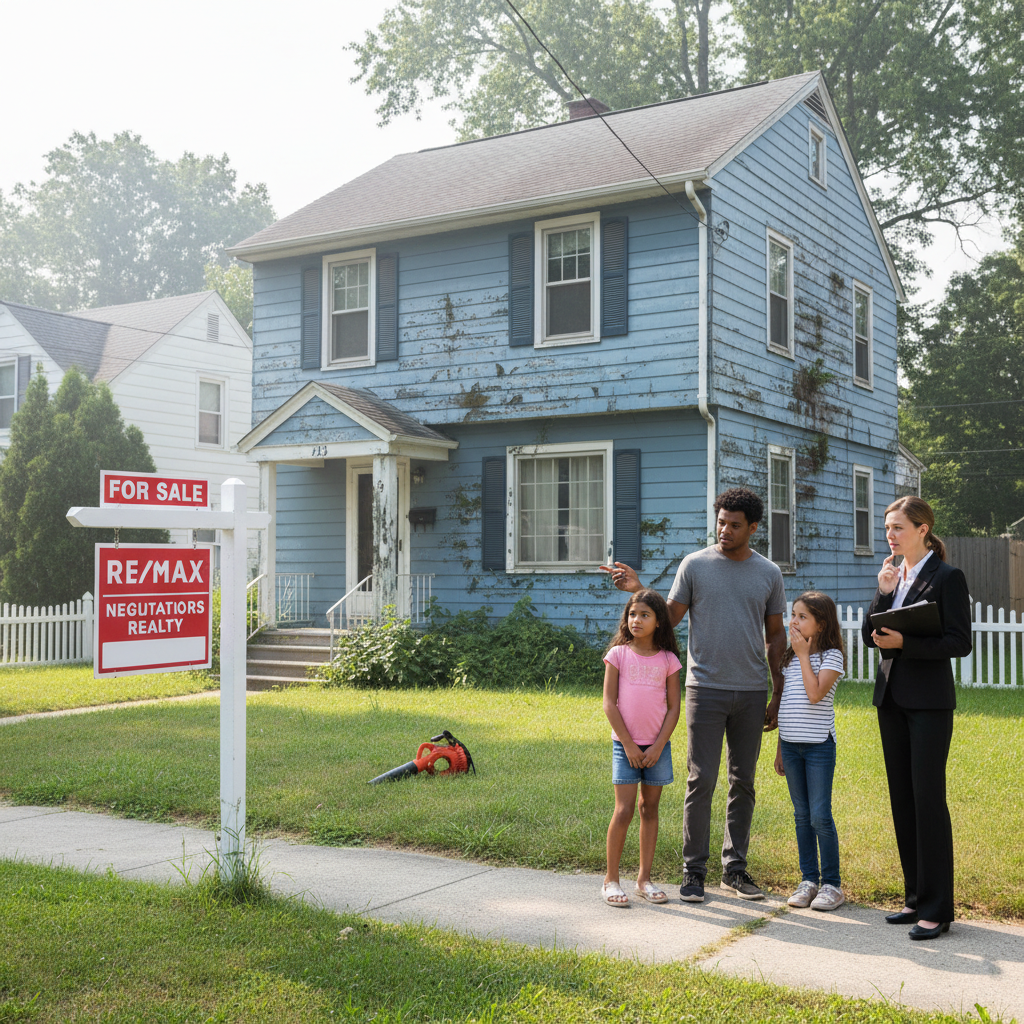
Summary
Mastering the Sale: Your Essential Guide to Selling a House with Mold Successfully is a comprehensive resource aimed at homeowners, real estate agents, and professionals navigating the challenges of selling residential properties affected by mold. Mold is a common issue in homes, thriving in damp environments and often hidden in areas such as basements, bathrooms, and behind walls, posing serious health risks and potential structural damage. This guide addresses the complexities of identifying, disclosing, and remediating mold problems to facilitate a successful property sale while minimizing legal and financial risks.
The book thoroughly explores the legal landscape surrounding mold disclosure in the United States, highlighting that while no federal laws specifically regulate mold in real estate transactions, most states require sellers to disclose known mold issues or related remediation efforts. It details disclosure best practices, seller liabilities, and exceptions, emphasizing transparency as a critical component for avoiding litigation and maintaining trust between buyers and sellers.
Beyond legal obligations, the guide provides practical advice on assessing mold problems, implementing professional remediation protocols, and documenting all steps to ensure safety and compliance. It underscores the importance of addressing moisture sources to prevent mold recurrence and recommends collaboration with certified inspectors and remediation specialists to safeguard occupant health and property value.
In addition to technical and legal guidance, the book offers strategic marketing and negotiation tactics tailored for homes with mold concerns, advocating for clear communication, thorough documentation, and targeted outreach to buyers willing to purchase properties requiring repair. The comprehensive approach presented in this work makes it a notable and essential tool for managing the unique challenges involved in selling mold-affected homes successfully.
Overview of Mold in Residential Properties
Mold commonly thrives in damp and humid environments within residential properties, often growing unnoticed in areas such as basements, bathrooms, attics, and behind walls. Its presence poses significant concerns for both potential buyers and sellers. For buyers, mold is a major red flag due to the potential for structural damage, health hazards, and the high costs associated with remediation. For sellers, disclosing any known mold issues is crucial, as many states have laws requiring the disclosure of mold or conditions conducive to mold growth, given the serious health risks mold presents—particularly to individuals with respiratory problems, allergies, or compromised immune systems.
Effective mold remediation involves not only cleaning up existing mold but also preventing future growth by addressing the moisture source responsible for the infestation. The extent of contamination plays a role in determining the appropriate remediation strategy, with areas up to 30 square feet typically considered manageable for some remediation methods. Identifying the presence of mold accurately is a necessary first step before remediation can begin. However, mold cleanup can pose health and injury risks, especially to vulnerable populations, underscoring the importance of proper safety measures during the process.
To ensure long-term success in mold remediation, it is essential to address the root causes of mold growth, such as water leaks, high humidity, and poor ventilation. Given the complexities and risks involved, hiring a professional mold remediation company is often recommended rather than attempting removal independently.
Legal Framework for Selling a House with Mold in the United States
Selling a house with mold in the United States involves navigating a complex legal landscape that varies significantly by state. While there are no federal laws explicitly prohibiting the sale of properties with mold, most states impose specific disclosure requirements aimed at protecting buyers by ensuring they are informed about material defects, including mold issues.
Disclosure Requirements
Generally, sellers must disclose any known mold problems or prior mold remediation efforts when transferring property ownership. This obligation is typically fulfilled through a property disclosure statement, which asks detailed questions about water damage, leaks, and environmental hazards such as mold. Although the precise nature of these forms and the level of detail required differ from state to state, the underlying principle remains consistent: sellers must reveal material facts that could influence the property’s value or the buyer’s health and safety.
Some states have enacted specific mold disclosure statutes. For example, certain jurisdictions mandate a separate mold disclosure statement that must be provided and acknowledged in writing prior to or alongside the purchase offer. These laws may also offer sellers some immunity from liability if they comply fully with disclosure protocols. However, even in states without explicit mold disclosure laws, the duty to disclose known mold problems generally persists under broader requirements for good faith and fair dealing.
Exceptions and Seller Liability
There are circumstances under which disclosure may not be required. Sellers who have fully remediated mold issues and can provide verifiable proof of successful treatment might not be obligated to disclose past mold presence. Similarly, sellers unaware of any mold problems or those selling under special conditions—such as court-ordered sales or sales by trustees or executors—may be exempt from certain disclosure duties.
Importantly, offering the property at a reduced price due to mold does not absolve the seller of disclosure responsibilities. Liability for nondisclosure remains, regardless of any price adjustment reflecting the property’s condition. Failure to disclose known mold issues can lead to significant legal consequences, including lawsuits, rescission of the sale, and payment of damages and legal fees. To mitigate risks, sellers are advised to work closely with real estate agents and attorneys familiar with their state’s specific requirements.
Legal and Ethical Considerations
Beyond legal obligations, disclosure serves important ethical and practical purposes. Transparency builds trust with potential buyers, reduces the likelihood of deals falling through, and helps avoid costly litigation. Even when a home is sold “as is,” known defects like mold should be disclosed to protect the seller’s reputation and limit future legal exposure. Given the variation in state laws and the potential for serious repercussions, consulting local professionals is crucial for sellers handling properties with mold.
Assessing Mold Problems Before Selling
Before listing a property with potential mold issues, it is essential to conduct a thorough assessment to understand the extent and severity of the problem. Since mold growth is typically linked to underlying moisture problems, identifying sources of water intrusion or inadequate ventilation is a critical part of the assessment process. A comprehensive evaluation should go beyond visible mold, as it can grow hidden behind surfaces or within structural components.
Sellers are strongly advised to hire a certified mold inspector or a professional mold remediation company with experience in identifying and addressing mold infestations. These professionals use advanced techniques such as containment procedures, dry-ice blasting, HEPA vacuuming, and fogging to effectively assess and remediate mold, providing documentation that is crucial for legal protection and building buyer confidence.
Documenting previous mold remediation efforts, if applicable, also plays an important role. Sharing inspection reports and repair invoices from certified professionals demonstrates transparency and proactive maintenance, which can reassure potential buyers and facilitate the sale process.
Ultimately, a thorough mold assessment conducted by qualified experts not only helps identify all affected areas but also lays the groundwork for effective remediation and disclosure, protecting both sellers and buyers from future complications and financial losses.
Mold Remediation Protocols and Safety Measures
Mold remediation aims to remove or clean mold-damaged materials using work practices that protect both occupants and remediation workers by controlling mold dispersion and exposure. The process involves mold removal, abatement strategies, and addressing the underlying moisture sources to prevent future growth. Professional remediation typically begins with a thorough assessment and inspection to determine the extent of mold contamination, followed by containment procedures to prevent spore spread.
Effective mold removal methods include dry-ice blasting, HEPA vacuuming, and fogging, all of which require careful handling to ensure thorough cleaning. Remediation workers must use appropriate Personal Protective Equipment (PPE) such as half-face or full-face respirators approved by the National Institute for Occupational Safety and Health (NIOSH), gloves made of vinyl, nitrile, or rubber, and goggles designed to keep out dust and small particles. Safety glasses or goggles with open vent holes are inadequate for mold cleanup since they do not provide full protection against airborne spores.
For smaller jobs or when using mild detergents, ordinary household rubber gloves may suffice, but respiratory and eye protection remain essential. Respirators with HEPA filters protect against inhaling airborne mold spores and dust; however, they do not filter vapors or gases, so additional precautions may be necessary depending on the remediation environment. Moldy materials should be carefully contained and disposed of to avoid further contamination, and water-damaged areas must be thoroughly dried to prevent mold recurrence.
Documentation is a critical component before and during remediation. Sellers or homeowners should take clear photos, videos, and written records of mold presence, water damage, and remediation efforts. This documentation assists in developing a remediation plan outlining the scope, timeline, responsible parties, and any necessary testing or temporary relocation of occupants. Due to the health risks and complexity of mold cleanup, hiring certified professional mold remediation companies is recommended. These professionals follow industry best practices and safety protocols, ensuring effective and safe removal.
Disclosure Best Practices for Sellers
When selling a home with mold issues, sellers must adhere to disclosure best practices to ensure a transparent and legally compliant transaction. Disclosure laws vary by state, but generally, sellers are required to inform potential buyers of any known mold problems that could affect the property’s value or safety. This obligation remains even if the home is sold “as is,” as withholding such information can lead to legal disputes and damage the seller’s credibility.
Sellers are advised to provide detailed documentation of any mold remediation efforts. This includes inspection reports, repair invoices from certified professionals, and any third-party assessments conducted by experienced mold inspectors to confirm that remediation has been completed thoroughly. Such documentation not only substantiates the seller’s disclosure but also helps build trust with buyers and facilitates a smoother transaction.
Collaborating with knowledgeable real estate agents and attorneys can be instrumental in navigating state-specific disclosure requirements. Experienced agents can guide sellers through the disclosure process, recommend reputable contractors for mold remediation, and ensure that all necessary paperwork is completed accurately. This partnership is particularly important for sellers opting to sell their homes without professional representation (For Sale By Owner or FSBO), as they might lack full awareness of their disclosure obligations or fail to disclose mold issues adequately.
Ultimately, full transparency regarding mold conditions protects sellers from potential lawsuits and financial liabilities, such as having to pay the buyer’s legal fees if a mold-related lawsuit arises. By proactively disclosing known mold problems and providing thorough remediation evidence, sellers foster trust and contribute to a successful sale.
Marketing Strategies for Homes with Mold Issues
Successfully marketing a home with mold issues requires a transparent, proactive, and solution-oriented approach to reassure potential buyers and highlight the property’s value despite its challenges. Sellers should begin by documenting the mold problem thoroughly, including clear photos of visible mold, water stains, and any related damage. Keeping detailed records of all remediation work, repairs, and contractor communications can build buyer confidence and provide necessary transparency throughout the sales process.
Emphasizing the remediation efforts taken is a key component of effective marketing. Quality visuals such as high-resolution photos and virtual tours showcasing the home’s positive features alongside detailed descriptions of the mold remediation process help shift the focus from the problem to the value and potential of the property. Sellers and their agents should highlight any professional mold removal and abatement measures completed, explaining how these efforts mitigate health risks and prevent future infestations.
Engaging an experienced real estate agent familiar with selling homes that have environmental or structural issues is crucial. Such agents can assist in pricing the home appropriately to reflect the mold issue and target buyers who are willing to purchase properties “as-is” or invest in further remediation post-sale. These agents also provide essential guidance during negotiations, helping to address buyer concerns and emphasize the home’s strengths and the thoroughness of the remediation.
Marketing homes with mold issues often involves targeting specific buyer segments, such as cash buyers or investors who are more likely to purchase properties needing repair and remediation work. These buyers typically anticipate discounted prices due to the costs associated with mold removal and renovation but are less deterred by the property’s condition. Transparency about the mold condition and the history of remediation is legally required and critical to building trust, preventing future legal disputes, and facilitating a smoother transaction.
Negotiating the Sale with Mold Concerns
Negotiating the sale of a property with mold issues requires a careful and transparent approach, as it involves multiple parties with varying interests, including buyers, sellers, real estate agents, and sometimes attorneys. Sellers must prioritize full disclosure of any known mold problems, providing documentation such as inspection reports and repair invoices from certified professionals to demonstrate that remediation has been properly addressed. This transparency helps protect sellers from potential legal disputes and builds trust with buyers.
Buyers typically view mold as a significant red flag due to potential health hazards, structural damage, and costly remediation efforts. However, if the mold is localized, properly remediated, and the cause of the issue has been fixed, the sale can still proceed successfully. In fact, some buyers may prefer homes where mold has been professionally treated and documented, rather than those with hidden or unresolved issues. It is important for real estate agents to help both parties assess whether mold concerns are deal-breakers or solvable problems to facilitate a smooth negotiation process.
Effective negotiation in these situations also hinges on managing emotions and maintaining open communication. Sellers and agents should remain calm and empathetic, acknowledging buyers’ concerns and addressing them thoughtfully to keep discussions productive. Understanding the motivations and priorities of both parties through active listening can reveal opportunities for mutually beneficial agreements. Following the negotiation, maintaining open lines of communication is crucial to address any lingering issues and to preserve relationships for future transactions.
Additionally, thorough documentation of the mold situation before remediation—including photos, videos, and written records—can provide clarity and confidence during negotiations. Presenting an itemized list of repairs and upgrades, including remediation costs, can further reassure buyers about the property’s condition and value. Approaching mold disclosure with the right strategy is essential to maintaining buyer confidence and advancing the sale smoothly despite potential concerns.
Post-Sale Considerations and Mold Prevention
After the sale of a home with a history of mold issues, both sellers and buyers must remain vigilant about ongoing mold prevention to protect the property’s value and the occupants’ health. Sellers should have already provided full disclosure of the mold damage, including inspection reports and remediation invoices from certified professionals, to ensure transparency and legal compliance. This documentation serves as a reference for buyers to understand the extent of past problems and the measures taken to address them.
For buyers, understanding the root causes of mold growth is essential to preventing future occurrences. Mold typically thrives in damp, humid environments such as basements, bathrooms, attics, and behind walls, often fueled by water leaks, high humidity, or poor ventilation. Addressing these underlying moisture issues is critical for long-term mold prevention and maintaining the home’s structural integrity and air quality.
Post-sale, buyers are encouraged to conduct regular inspections and maintain moisture control through proper ventilation and timely repairs of any water intrusion. Employing professional mold remediation services is recommended if new mold growth is detected, as DIY removal can be ineffective and hazardous. Techniques used by professionals include containment procedures, dry-ice blasting, HEPA vacuuming, and fogging, which effectively eliminate mold spores while minimizing exposure risks.
By maintaining diligent moisture control and promptly addressing any signs of mold, homeowners can prevent costly remediation and protect their investment over time. This proactive approach benefits both the health of occupants and the long-term value of the property.
Publication Details and Authorship
Mastering the Sale: Your Essential Guide to Selling a House with Mold Successfully was published by BookSurge Publishing on February
The content is provided by Avery Redwood, Brick By Brick News