Summary
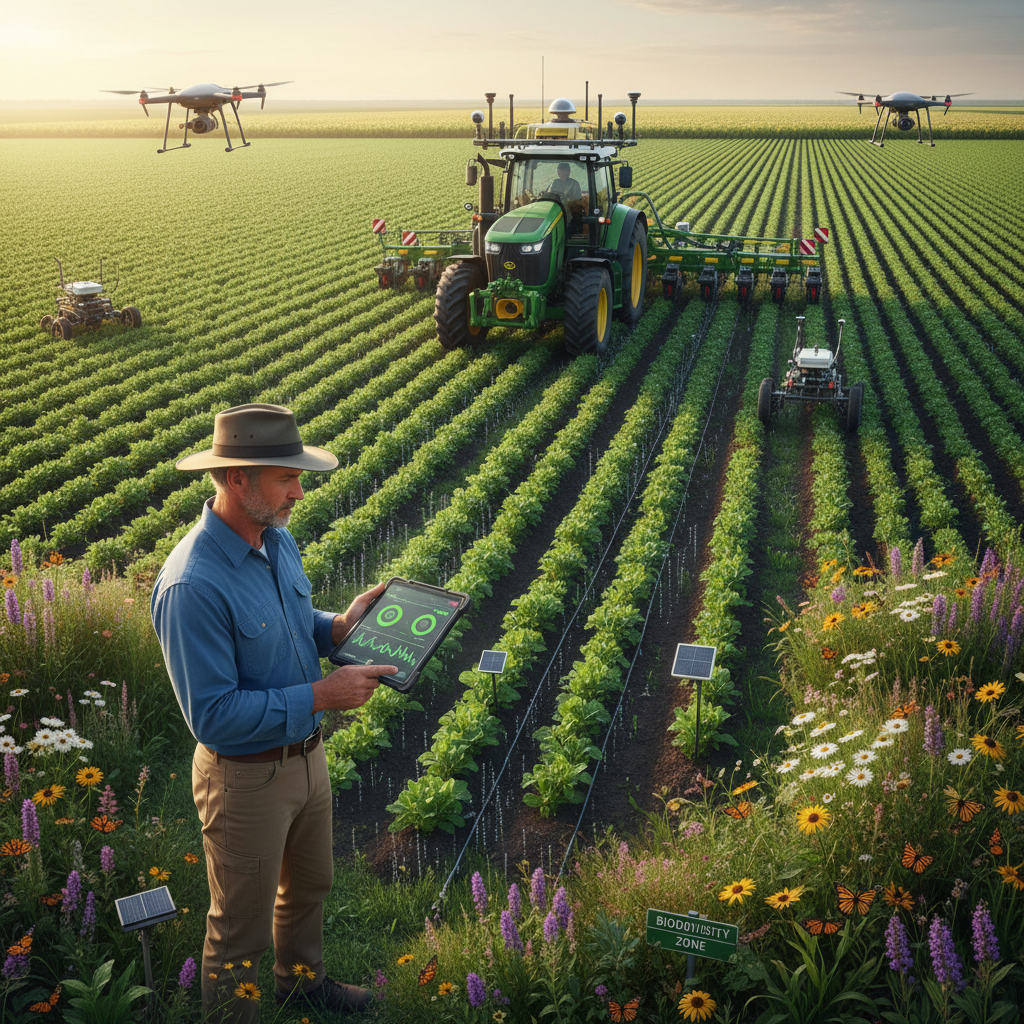
The article examines how automated data logging integrated with GPS technology transforms agriculture by moving from traditional guesswork to precise, data-driven farming. This shift enhances resource efficiency, crop yields, and sustainability through the continuous monitoring of environmental factors via smart sensors and data loggers. These systems collect diverse data sets, such as soil moisture and temperature, to support advanced practices like variable rate technology (VRT), optimizing the use of water, fertilizers, and pesticides tailored to specific field zones.
However, potential adopters may face concerns about high initial costs, connectivity in rural areas, data privacy, and digital literacy requirements. Ongoing advancements in AI and IoT technologies are expected to further refine operations and democratize access to tools, expanding precision agriculture’s benefits to a broader spectrum of farms.
Automated Data Logging in Agriculture
Automated data logging utilizes sophisticated devices to monitor critical farming data continuously, replacing manual records with precise electronic data. Key metrics such as soil moisture and environmental conditions can be accessed remotely via mobile apps. This feature minimizes the need for field inspections, enhancing responsiveness and operational efficiency.
Integrated data analysis tools help farmers make informed decisions on resource allocation while optimizing input use based on real-time data insights aligned with geographical information systems. Therefore, this technology not only enhances productivity but also supports sustainable farming practices.
Impact on Farm Management and Resource Efficiency
Integrating automated data logging with GPS precision offers real-time monitoring and refined resource allocation, allowing farmers to enhance decision-making. This approach minimizes waste by tailoring the application of resources catering to specific field conditions, promoting sustainable farming methods through data-driven actions.
With the incorporation of enterprise resource planning (ERP) systems, farmers can better manage logistics and finances, leading to increased profitability. Moreover, reduced operator fatigue and the potential for autonomous operations indicate significant labor efficiency advancements that enhance farm productivity and operational savings.
Challenges and Limitations
Despite the benefits, several challenges hinder the widespread adoption of automated data logging technologies. High initial costs can deter farmers, alongside concerns about data ownership, which necessitate clear policies to build trust. Connectivity obstacles in remote areas may disrupt real-time data transmission, so a reliable communication infrastructure is vital.
Additional barriers include the need for digital literacy among users and the complications arising from non-standardized systems, which can restrict integration across different precision agriculture solutions. Further efforts toward establishing interoperability standards and user-friendly technology will be essential in overcoming these barriers.
Future Trends and Developments
The advancement of AI, machine learning, and IoT will likely drive the future of automated data logging in agriculture. These innovations promise automation of critical farming operations, signifying a potential shift towards widespread use of autonomous machinery on large-scale farms by 2025. Enhanced data exchange and central control systems will elevate farm management efficiency and sustainability.
Concurrently, challenges related to data sharing and digital literacy will require collaborative efforts among various stakeholders to facilitate broader adoption of these technologies, ensuring that smallholder farmers can also benefit from precision agriculture advancements.